Bitcoin Mining in the U.S.: Energy Trends & Policy 2026
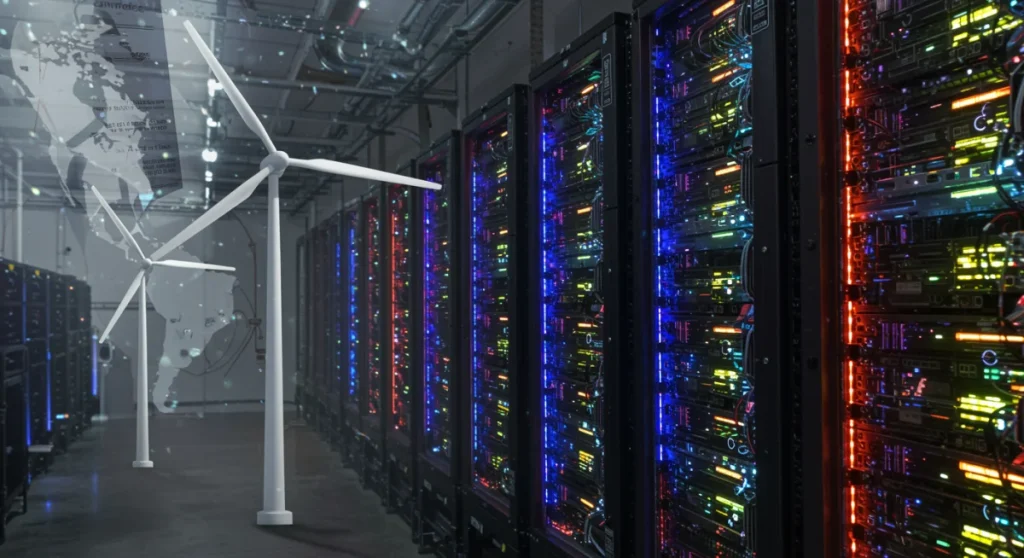
Bitcoin Mining in the U.S.: Energy Consumption Trends and Policy Discussions for 2026 is at a critical juncture, with escalating energy demands and environmental impacts driving robust policy debates and technological innovations to balance economic growth with sustainability.
The landscape of Bitcoin Mining in the U.S.: Energy Consumption Trends and Policy Discussions for 2026 is rapidly evolving, presenting both immense opportunities and significant challenges. As the world’s leading cryptocurrency, Bitcoin’s underlying mining process demands substantial computational power, inherently linked to energy usage. This intricate relationship has propelled the discussion around sustainability, regulatory frameworks, and the broader economic implications into the national spotlight. Understanding these dynamics is crucial for anyone interested in the future of digital assets and America’s energy infrastructure.
The Escalating Energy Footprint of Bitcoin Mining in the U.S.
Bitcoin mining’s energy footprint in the United States has grown considerably, mirroring the cryptocurrency’s increasing adoption and value. This expansion is driven by a combination of factors, including geopolitical shifts, a favorable regulatory environment in certain states, and access to relatively inexpensive energy.
The energy demands of Bitcoin mining are not static; they fluctuate based on the network’s hash rate, which measures the total computational power being used to process transactions. As more miners join the network, the hash rate increases, requiring more energy. This continuous growth trajectory raises important questions about grid stability, energy costs for consumers, and the environmental implications of such high power consumption.
Understanding Bitcoin’s Proof-of-Work Mechanism
At its core, Bitcoin relies on a mechanism called Proof-of-Work (PoW) to secure its network. This process involves miners competing to solve complex mathematical puzzles to add new blocks of transactions to the blockchain. The first miner to solve the puzzle earns newly minted bitcoins and transaction fees.
- Computational Intensity: PoW requires specialized hardware (ASICs) designed for intense, repetitive computations.
- Security Feature: The energy expenditure makes the network incredibly secure, as it would be prohibitively expensive to overpower and manipulate.
- Decentralization: PoW helps maintain the decentralized nature of Bitcoin by distributing mining power globally.
The energy consumption associated with PoW is often misunderstood. While it is high, proponents argue it is a necessary cost for maintaining a secure, decentralized, and censorship-resistant monetary system. Critics, however, point to the environmental consequences and potential strain on local energy grids.
Geographic Distribution and Energy Sources
Within the U.S., Bitcoin mining operations are not evenly distributed. States with abundant and affordable energy, particularly those with deregulated markets or significant renewable energy potential, have become hotspots. Texas, for instance, has attracted numerous mining firms due to its independent energy grid and supportive policies.
The energy mix powering these operations is diverse, ranging from fossil fuels to renewables. While some miners actively seek out surplus renewable energy, others rely on the existing grid mix, which often includes a significant portion of natural gas or coal. This varied energy sourcing contributes to the complexity of assessing the overall environmental impact of U.S. Bitcoin mining.
The escalating energy footprint of Bitcoin mining in the U.S. necessitates a deeper look into its sustainability and integration into the existing energy infrastructure. As the industry matures, the imperative to align economic growth with environmental responsibility becomes increasingly clear.
Environmental Impact and Sustainability Initiatives
The environmental impact of Bitcoin mining is a central theme in current policy discussions, largely revolving around carbon emissions and the strain on natural resources. Critics highlight the carbon footprint, while proponents emphasize the industry’s potential to catalyze renewable energy development and improve grid efficiency.
Addressing these concerns, many mining companies in the U.S. are actively pursuing sustainability initiatives. These efforts range from relocating operations to areas with abundant renewable energy to investing in technologies that capture and utilize waste heat from mining facilities.
Carbon Emissions and Resource Consumption
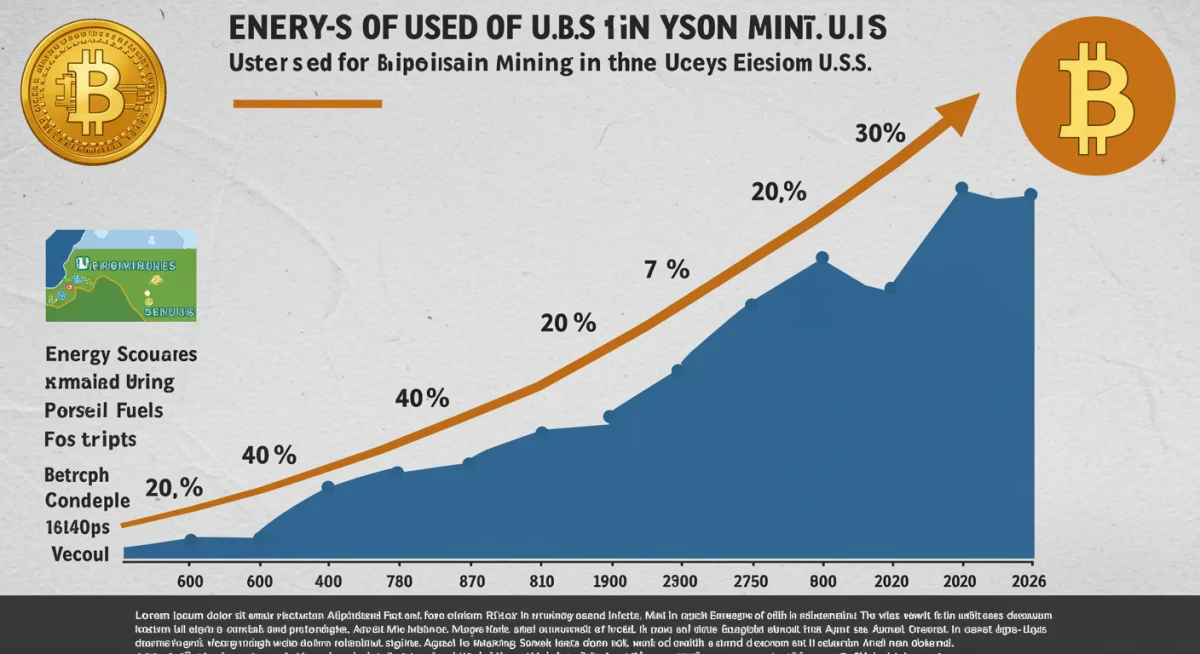
The primary environmental concern associated with Bitcoin mining is the carbon emissions generated by electricity production, especially when sourced from fossil fuels. The sheer scale of energy consumption means that even small percentages of carbon-intensive power can lead to significant emissions.
- Water Usage: While less discussed than energy, water is also consumed in cooling mining facilities, particularly in warmer climates.
- E-waste: The rapid obsolescence of mining hardware (ASICs) contributes to electronic waste, posing another environmental challenge.
- Local Air Quality: Depending on the energy source, local air quality can be impacted by emissions from power plants supplying mining operations.
These factors collectively paint a picture of an industry with a substantial environmental footprint, prompting calls for greater transparency and accountability from mining operators.
The Role of Renewable Energy in Mining
A growing number of U.S. Bitcoin miners are turning to renewable energy sources, driven by both environmental consciousness and economic incentives. Utilizing stranded or curtailed renewable energy, such as excess wind or solar power that would otherwise go unused, presents a win-win scenario.
Such initiatives not only reduce the carbon footprint of mining but also provide a flexible load that can support grid stability and encourage further investment in renewable infrastructure. Companies are exploring partnerships with renewable energy producers, setting up mining facilities directly at wind or solar farms, and even developing their own renewable energy projects.
The shift towards sustainable mining practices is gaining momentum, with innovations in energy efficiency and waste heat recovery also playing a crucial role. These efforts are vital for mitigating the environmental impact and ensuring the long-term viability of Bitcoin mining in the U.S.
Emerging Policy Discussions and Regulatory Frameworks for 2026
As Bitcoin mining’s presence in the U.S. expands, so too do the policy discussions and regulatory efforts aimed at managing its impact. Policymakers are grappling with how to balance innovation and economic opportunity with environmental protection and energy security. These discussions are expected to intensify as 2026 approaches, potentially leading to more defined frameworks.
The federal government, along with various state governments, is actively exploring different approaches, from incentives for sustainable mining to stricter environmental regulations. The goal is often to create a predictable and fair operating environment for businesses while addressing public concerns.
Federal and State-Level Debates
At the federal level, discussions revolve around national energy policy, environmental protection, and the broader implications of cryptocurrency for the U.S. economy. Agencies like the Environmental Protection Agency (EPA) and the Department of Energy (DOE) are researching the industry’s energy consumption and potential solutions.
State governments, however, are often at the forefront of direct policy formulation due to their control over local energy grids and environmental regulations. Some states are offering tax incentives or regulatory sandboxes to attract miners, while others are considering moratoria or stricter permitting processes.
- Tax Incentives: Some states offer tax breaks for miners using renewable energy or investing in local infrastructure.
- Energy Pricing: Debates over fair energy pricing for high-load consumers like miners are ongoing in many regions.
- Environmental Assessments: Increased scrutiny on environmental impact assessments for new mining operations.
The divergence in state-level approaches highlights the complex nature of regulating a rapidly evolving industry, often leading to a patchwork of rules across the country.
The Role of Industry Self-Regulation and Standards
Beyond government intervention, the Bitcoin mining industry itself is increasingly engaged in self-regulation and the development of best practices. Industry associations and leading mining companies are working to establish standards for energy efficiency, transparency in energy sourcing, and corporate social responsibility.
These initiatives aim to preempt overly burdensome regulations by demonstrating a commitment to sustainability and responsible operations. Examples include carbon offsetting programs, participation in demand-response programs to support grid stability, and public reporting on energy consumption and environmental performance.
The interplay between government policy and industry self-regulation will largely define the future landscape of Bitcoin mining in the U.S. by 2026, shaping how the industry integrates into the national economy and energy infrastructure.
Economic Opportunities and Challenges for the U.S.
The growth of Bitcoin mining in the U.S. presents a dual-edged sword of economic opportunities and significant challenges. On one hand, it promises job creation, investment in local communities, and innovation in energy management. On the other hand, it raises concerns about energy price volatility, grid stability, and competition for resources.
Understanding these economic factors is crucial for policymakers and industry stakeholders as they navigate the path forward. The potential for economic benefits must be weighed against the potential for adverse impacts, ensuring a balanced approach to development.

Job Creation and Local Investment
Bitcoin mining operations, particularly larger facilities, create a variety of jobs, from construction and electrical engineering to operational management and IT support. These jobs can be particularly impactful in rural areas where traditional industries may be declining.
Beyond direct employment, mining companies often invest significantly in local infrastructure, including power grid upgrades and data center development. They also contribute to local tax bases, providing revenue for public services. This local economic stimulus is a key argument in favor of attracting and supporting the industry.
Grid Stability and Energy Price Concerns
A significant challenge posed by large-scale Bitcoin mining is its potential impact on grid stability and energy prices. Mining operations consume vast amounts of electricity, and if not managed carefully, this demand can strain local grids, especially during peak consumption periods or extreme weather events.
- Demand Response Programs: Miners can participate in programs where they reduce consumption during peak demand to help stabilize the grid.
- Energy Price Volatility: Increased demand from mining can, in some scenarios, contribute to higher electricity prices for residential and commercial consumers.
- Infrastructure Strain: Rapid growth of mining can outpace the development of new energy generation and transmission infrastructure.
Addressing these concerns requires careful planning, collaboration between miners and utility providers, and robust regulatory oversight to ensure that the economic benefits do not come at the expense of energy security or affordability for the wider populace. The economic landscape of Bitcoin mining in the U.S. is dynamic, requiring continuous evaluation and adaptive strategies to maximize benefits while mitigating risks.
Technological Innovations Driving Efficiency and Sustainability
The Bitcoin mining industry is not static; it is a field ripe with technological innovation, particularly concerning efficiency and sustainability. As the energy consumption debate intensifies, miners and hardware manufacturers are pushing the boundaries of what is possible, aiming to reduce energy footprint and improve operational economics.
These innovations are crucial for the long-term viability of Bitcoin mining in the U.S., offering pathways to operate more responsibly and integrate more seamlessly into existing energy systems. The focus is on doing more with less, or at least doing it smarter.
Next-Generation Mining Hardware
The continuous evolution of Application-Specific Integrated Circuits (ASICs) is at the heart of efficiency improvements. Each new generation of ASICs is designed to perform more computations per unit of electricity consumed, measured in terahashes per joule (TH/J).
- Increased Hash Rate: Newer ASICs deliver significantly higher hash rates, allowing miners to find blocks more efficiently.
- Improved Power Efficiency: The primary goal of new hardware is to reduce electricity consumption for the same amount of computational power.
- Liquid Cooling: Advanced cooling solutions, including immersion cooling, are becoming more prevalent, enhancing performance and extending hardware lifespan while potentially recovering waste heat.
These hardware advancements are essential for miners to remain competitive and for the industry to address its energy concerns proactively.
Waste Heat Utilization and Co-Location Strategies
Beyond direct energy efficiency, innovative approaches to waste heat utilization are gaining traction. Bitcoin mining generates a substantial amount of heat, which traditionally has been dissipated into the atmosphere. New technologies are exploring ways to capture and repurpose this heat.
Co-location strategies, where mining facilities are situated near other industrial operations, are also being explored. For example, miners could co-locate with greenhouses to provide heating, or with industrial processes that require low-grade heat. This turns a previously wasted byproduct into a valuable resource, improving the overall energy equation.
These technological innovations are not just about reducing costs; they are about transforming Bitcoin mining into a more sustainable and integrated component of the modern economy, paving the way for a more responsible future by 2026.
The Outlook for Bitcoin Mining in the U.S. Towards 2026
The outlook for Bitcoin mining in the U.S. as we approach 2026 is one of dynamic evolution, marked by continued growth, increasing regulatory scrutiny, and a strong push towards sustainability. The industry is maturing, moving beyond its nascent stages to become a significant player in both the digital economy and the energy sector.
Key trends suggest a future where operational efficiency, renewable energy integration, and robust policy engagement will define success. The U.S. is poised to remain a dominant force in global Bitcoin mining, but not without navigating these complex challenges.
Continued Growth and Market Dominance
Despite the challenges, the U.S. is expected to maintain its position as a leading destination for Bitcoin mining. Factors such as a stable political environment, strong property rights, and access to capital markets continue to attract investment. The sheer scale of the U.S. energy market also provides opportunities for miners to find diverse and competitive power sources.
However, this growth will likely be accompanied by increased competition and consolidation within the industry, as smaller, less efficient operations struggle to keep pace with larger, more technologically advanced firms. The market will favor those who can innovate and adapt to changing energy landscapes and regulatory demands.
Integration with Energy Grids and Policy Evolution
A significant trend for 2026 will be the deeper integration of Bitcoin mining operations with existing energy grids. This includes greater participation in demand-response programs, where miners can dynamically adjust their power consumption to support grid stability during peak hours or when renewable energy supply fluctuates.
- Flexible Load: Miners will increasingly be viewed as flexible load resources, offering a valuable service to grid operators.
- Bipartisan Interest: Policy discussions are garnering bipartisan interest, focusing on energy independence, innovation, and environmental responsibility.
- Standardization: Expect to see more standardized reporting on energy consumption and carbon emissions across the industry.
The policy environment will likely become more standardized and comprehensive, moving away from fragmented state-by-state approaches towards more cohesive national guidelines. This will provide greater clarity and predictability for miners, fostering a more stable investment climate.
The future of Bitcoin mining in the U.S. by 2026 is bright, albeit complex. It will be characterized by a relentless pursuit of efficiency, a commitment to sustainable practices, and a proactive engagement with policymakers to shape a regulatory framework that supports both economic growth and environmental stewardship.
| Key Aspect | Brief Description |
|---|---|
| Energy Consumption Trends | Increasing demand, driven by network growth and U.S. market appeal, prompting focus on grid impact and sustainable sourcing. |
| Environmental Impact | Concerns over carbon emissions, water usage, and e-waste, countered by industry’s shift towards renewable energy and waste heat recovery. |
| Policy Discussions 2026 | Intensifying federal and state debates on regulation, incentives for sustainability, and industry self-regulation to balance growth with responsibility. |
| Technological Innovations | Advancements in ASIC hardware efficiency, liquid cooling, and waste heat utilization are key to sustainable growth. |
Frequently Asked Questions About Bitcoin Mining in the U.S.
The primary concern revolves around the sheer volume of electricity consumed by Bitcoin mining operations, leading to questions about grid stability, potential increases in energy costs for consumers, and the carbon footprint associated with electricity generation, especially from fossil fuels.
Many U.S. miners are actively seeking renewable energy sources, co-locating operations with wind or solar farms, and participating in demand-response programs. They are also investing in more energy-efficient hardware and exploring solutions for waste heat utilization to reduce their environmental impact.
Policy discussions range from federal energy guidelines to state-specific regulations. They include incentives for sustainable mining, environmental impact assessments, debates over energy pricing for high-load consumers, and calls for greater transparency in energy sourcing and consumption reporting.
Bitcoin mining creates jobs in construction, engineering, and operations. It also attracts significant capital investment, contributes to local tax revenues, and can spur innovation in the energy sector, particularly in utilizing stranded or excess renewable energy capacity.
Technological advancements, especially in next-generation ASICs, will continue to drive increased energy efficiency. Innovations in cooling systems, like liquid immersion, and strategies for waste heat utilization will also play a critical role in making mining operations more sustainable and economically viable.
Conclusion
The trajectory of Bitcoin Mining in the U.S.: Energy Consumption Trends and Policy Discussions for 2026 is undeniably complex, yet it holds immense potential. As the industry matures, the imperative to balance economic growth with environmental stewardship and energy security becomes paramount. The ongoing dialogues among policymakers, industry leaders, and environmental advocates are crucial for shaping a future where Bitcoin mining can thrive sustainably. With continuous innovation in energy efficiency and a proactive approach to regulatory frameworks, the U.S. has the opportunity to lead in responsible digital asset development, setting a global standard for how this powerful technology can integrate into modern society. The coming years will undoubtedly be pivotal in defining this path, ensuring that the benefits of decentralized finance are realized without compromising our planet’s future.