Avalanche Subnet Growth 2026: dApp Deployments & Transaction Volumes

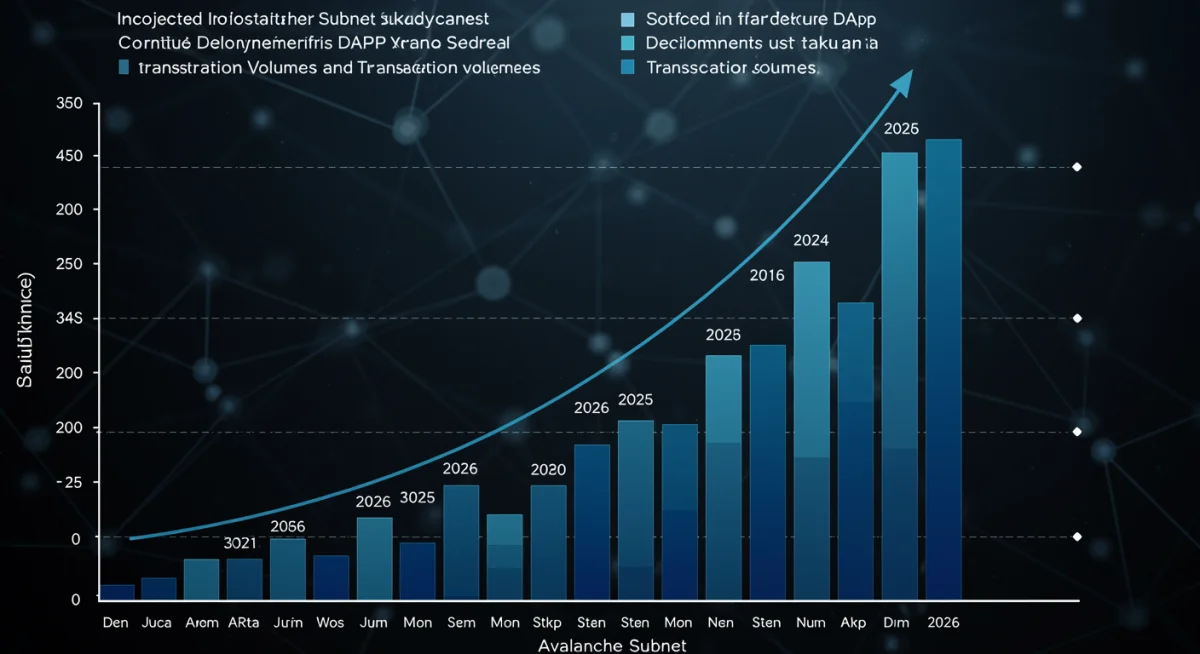
Avalanche’s subnet growth in 2026 is anticipated to be a pivotal factor in its ecosystem expansion, driven by a surge in new dApp deployments and a corresponding increase in transaction volumes across specialized, custom blockchains.
The blockchain landscape is continuously evolving, and among the most compelling developments is the projected expansion of Avalanche Subnet Growth in 2026. This analysis delves into the anticipated surge in new dApp deployments and the consequential rise in transaction volumes, painting a comprehensive picture of Avalanche’s trajectory.
Understanding Avalanche Subnets: The Foundation of Growth
Avalanche subnets represent a revolutionary approach to blockchain security and customization, allowing developers to launch application-specific blockchains with tailored functionalities. This architectural flexibility is a core driver behind the platform’s anticipated growth in 2026. Unlike monolithic blockchains, Avalanche subnets enable independent consensus mechanisms, virtual machines, and fee structures, catering to diverse dApp requirements without compromising the security or decentralization of the main Avalanche network.
The ability to create custom subnets addresses many of the scalability challenges faced by earlier blockchain iterations. By offloading transactions from the primary chain to specialized subnets, Avalanche can support a significantly higher throughput and reduce transaction costs, a critical factor for attracting both developers and users. This design principle fosters a vibrant ecosystem where innovation can flourish, unburdened by network congestion or prohibitive fees.
Technical Advantages Driving Adoption
- Customizable VMs: Subnets can choose their own virtual machines, including the Ethereum Virtual Machine (EVM) or custom implementations, offering unparalleled flexibility.
- Native Token Support: Each subnet can define its own gas token, enabling economic models specifically designed for its applications.
- Independent Consensus: Validators can be permissioned or permissionless, allowing for a wide range of use cases from public DeFi protocols to private enterprise solutions.
- Enhanced Throughput: By distributing network load, subnets significantly increase the overall transaction capacity of the Avalanche ecosystem.
In essence, Avalanche subnets provide a powerful toolkit for building bespoke blockchain solutions, making it an attractive platform for projects seeking to overcome the limitations of general-purpose blockchains. This foundational strength is what positions Avalanche for significant expansion in the coming years, particularly as the demand for specialized blockchain applications continues to rise.
Projected dApp Deployments in 2026: A Sectoral Analysis
The year 2026 is expected to witness a substantial increase in dApp deployments on Avalanche subnets, driven by factors such as developer-friendly tools, robust infrastructure, and a growing user base. This growth won’t be uniform across all sectors but rather concentrated in areas where subnet capabilities offer distinct advantages. We anticipate significant traction in gaming, decentralized finance (DeFi), and enterprise solutions.
Gaming dApps, in particular, are poised for a boom on Avalanche subnets. The need for high transaction speeds, low latency, and customizable economics makes subnets an ideal environment for play-to-earn models, in-game asset ownership, and complex gaming logic. Developers can design subnets specifically for their games, ensuring a smooth and immersive experience for players without being affected by network congestion from other applications.
Key Growth Sectors
- Gaming: High transaction throughput and custom fee structures are perfect for in-game economies and NFTs.
- Decentralized Finance (DeFi): Specialized subnets can host highly regulated or institution-focused DeFi protocols, offering enhanced security and compliance features.
- Enterprise Solutions: Private or consortium-based subnets enable businesses to leverage blockchain technology for supply chain management, data sharing, and digital identity, maintaining data privacy and control.
- Social Media & Creator Economy: Platforms requiring high content moderation or unique monetization models can benefit from custom subnet rules and tokenomics.
The appeal of launching a dApp on an Avalanche subnet extends beyond technical specifications; it also includes the vibrant and supportive community, access to funding opportunities, and the interoperability with the broader Avalanche ecosystem. This holistic support system is crucial for new projects looking to establish a foothold in the competitive Web3 space, contributing significantly to the projected surge in deployments.
Transaction Volumes: Forecasting the Impact of New dApps
The influx of new dApp deployments on Avalanche subnets will directly translate into a significant increase in transaction volumes by 2026. Each new application, especially those in high-engagement sectors like gaming and DeFi, generates a multitude of transactions, from token transfers and smart contract interactions to NFT minting and trading. The distributed nature of subnets ensures that this increased activity won’t bottleneck the entire network, maintaining efficiency and low costs.
Forecasting transaction volumes involves analyzing the expected user adoption rates of these new dApps and the average transaction frequency within each application. Gaming dApps, for instance, typically generate a higher volume of micro-transactions compared to certain DeFi protocols. However, DeFi applications often involve larger value transfers, which, while fewer in number, represent significant economic activity. The aggregate of these diverse transactional patterns will contribute to Avalanche’s overall network utilization.
Factors Influencing Transaction Volume
- User Adoption: The number of active users engaging with dApps on subnets will directly correlate with transaction volumes.
- dApp Complexity: More complex dApps with frequent internal interactions will generate higher transaction counts.
- Economic Incentives: Play-to-earn models and active liquidity provision in DeFi can drive continuous transactional activity.
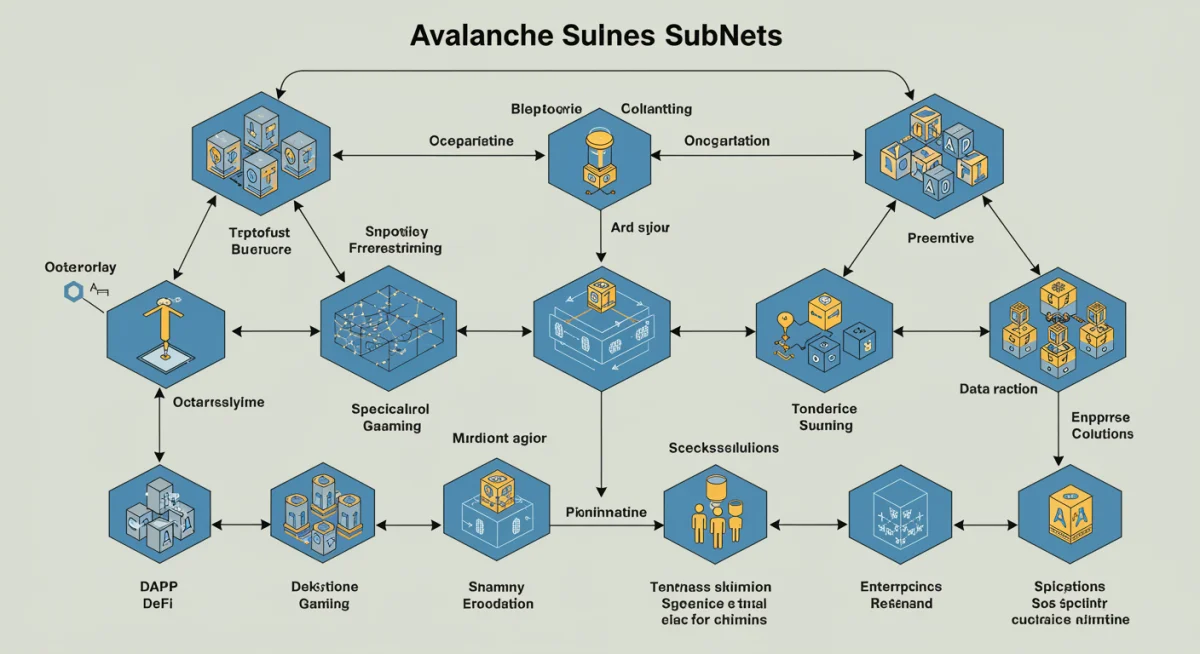
Moreover, the interoperability between subnets and with the Avalanche C-chain will facilitate cross-chain transactions, further boosting overall volume. Assets can be seamlessly moved between different subnets, allowing users to participate in various ecosystems without friction. This interconnectedness not only enhances user experience but also creates a more liquid and dynamic environment for all participants, solidifying Avalanche’s position as a leading blockchain platform.
Technological Innovations Fueling Subnet Expansion
The rapid expansion of Avalanche subnets by 2026 is not solely dependent on existing capabilities but also on continuous technological innovations. Ava Labs, the team behind Avalanche, is committed to enhancing the subnet framework, introducing new features and improvements that further streamline development and optimize performance. These innovations are crucial for maintaining a competitive edge and attracting top-tier projects to the ecosystem.
One key area of innovation is the development of advanced tooling and SDKs for subnet creation and management. Simplifying the process for developers to launch and maintain their subnets lowers the barrier to entry, encouraging a wider range of projects to adopt Avalanche. Improved monitoring tools, debugging capabilities, and deployment automation are all critical components that will accelerate subnet growth.
Upcoming Technological Enhancements
- Cross-Subnet Communication Protocols: Enhancing the efficiency and security of asset and data transfer between different subnets.
- Optimized Virtual Machines: Development of more efficient and specialized VMs beyond the EVM, catering to unique dApp requirements.
- Validator Decentralization Initiatives: Efforts to broaden the base of subnet validators, increasing decentralization and security.
- Interoperability with Other Blockchains: Bridges and protocols facilitating seamless interaction with other major blockchain networks, expanding Avalanche’s reach.
Furthermore, research into novel consensus mechanisms and scaling solutions will continue to push the boundaries of what subnets can achieve. These ongoing innovations ensure that Avalanche remains at the forefront of blockchain technology, capable of supporting the most demanding dApps and enterprise solutions. The commitment to continuous improvement is a strong indicator of sustained growth and adoption.
Economic Incentives and Developer Support Driving Adoption
Beyond technological prowess, the economic incentives and robust developer support offered by the Avalanche ecosystem are significant catalysts for subnet growth. Programs such as Avalanche Rush and other grant initiatives provide crucial funding for new projects, helping them overcome initial development hurdles and accelerate their launch. This financial backing is often a make-or-break factor for startups in the blockchain space.
Developer support extends far beyond monetary grants. Comprehensive documentation, active community forums, and dedicated technical assistance ensure that developers have the resources they need to build effectively on Avalanche subnets. Workshops, hackathons, and educational programs also play a vital role in onboarding new talent and fostering innovation. This nurturing environment is critical for cultivating a thriving dApp ecosystem.
Key Support Mechanisms
- Grant Programs: Financial incentives for promising projects building on Avalanche subnets.
- Technical Documentation: Extensive guides and tutorials for subnet deployment and dApp development.
- Community Engagement: Active forums, Discord channels, and social media groups for peer support and knowledge sharing.
- Partnerships and Integrations: Collaborations with key infrastructure providers and other blockchain projects to expand utility and reach.
The combination of attractive economic incentives and unparalleled developer support creates a powerful flywheel effect. As more projects receive funding and succeed, it attracts even more developers and investors, further accelerating the adoption and growth of Avalanche subnets. This self-reinforcing cycle is a strong indicator of sustained expansion into 2026 and beyond, solidifying Avalanche’s position as a preferred platform for innovation.
Challenges and Opportunities for Sustained Growth
While the outlook for Avalanche subnet growth in 2026 is overwhelmingly positive, it is essential to acknowledge the challenges that lie ahead and the opportunities for overcoming them. Competition from other Layer 1 and Layer 2 solutions remains fierce, and the ability to continuously innovate and differentiate will be crucial. Regulatory uncertainties in various jurisdictions could also impact the adoption of certain dApps, particularly in the DeFi and enterprise sectors.
However, these challenges also present significant opportunities. By proactively addressing regulatory concerns through compliant subnet designs and focusing on enterprise-grade solutions, Avalanche can carve out a unique niche. Furthermore, continued investment in developer education and community building will strengthen the ecosystem’s resilience and attract a diverse range of talent. The modular nature of subnets allows for rapid adaptation to new market demands and technological advancements, positioning Avalanche favorably for future growth.
Navigating the Future Landscape
- Regulatory Adaptation: Developing subnet solutions that comply with evolving global blockchain regulations.
- Talent Acquisition: Attracting and retaining skilled blockchain developers and researchers.
- Interoperability Standards: Establishing robust standards for cross-chain communication to enhance ecosystem fluidity.
- User Experience Enhancement: Focusing on intuitive interfaces and seamless onboarding processes for dApps.
The capacity of Avalanche to foster a truly decentralized and permissionless environment while also providing the tools for highly customized and regulated applications is a key differentiator. This dual capability allows it to cater to a broad spectrum of use cases, from open public networks to private corporate blockchains. The ongoing commitment to innovation and community engagement suggests that Avalanche is well-equipped to navigate future challenges and capitalize on emerging opportunities, ensuring continued expansion and adoption of its subnet technology.
| Key Aspect | Description in 2026 |
|---|---|
| dApp Deployments | Significant surge expected, particularly in gaming, DeFi, and enterprise solutions, driven by subnet customization. |
| Transaction Volumes | Substantial increase due to new dApps and enhanced cross-subnet activity, maintaining high throughput. |
| Technological Innovations | Ongoing advancements in tooling, cross-chain communication, and VMs will fuel sustained growth. |
| Economic & Developer Support | Grant programs, extensive documentation, and community engagement will continue to attract projects. |
Frequently Asked Questions About Avalanche Subnet Growth
Avalanche Subnets are independent blockchains built on the Avalanche network, allowing developers to create custom networks with tailored functionalities. They operate with their own validators, consensus mechanisms, and tokenomics, providing scalability and flexibility by offloading transactions from the main chain.
By 2026, significant dApp growth on Avalanche Subnets is anticipated in gaming, decentralized finance (DeFi), and enterprise solutions. These sectors benefit greatly from the customizable nature, high transaction throughput, and specialized environments that subnets offer for their specific needs.
New dApp deployments are expected to substantially increase transaction volumes on Avalanche. Each application generates numerous transactions, and the distributed architecture of subnets ensures that this heightened activity can be handled efficiently without network congestion, boosting overall network utilization.
Technological advancements fueling Avalanche Subnet expansion include improved developer tooling and SDKs, enhanced cross-subnet communication protocols, optimized virtual machines, and ongoing efforts to increase validator decentralization, making subnet creation and management more efficient.
Economic incentives, such as grant programs and funding initiatives, play a crucial role in driving Avalanche Subnet adoption. These programs provide essential financial support for new projects, helping them to develop and launch, thereby attracting more developers and fostering a vibrant, growing ecosystem.
Conclusion
The detailed analysis of Avalanche’s subnet growth in 2026 reveals a robust trajectory propelled by innovative technology, strategic dApp deployments, and supportive economic frameworks. The ability of subnets to provide tailored blockchain solutions for diverse sectors, notably gaming, DeFi, and enterprise, positions Avalanche for a significant surge in both new applications and transaction volumes. While challenges such as regulatory shifts and competition persist, the platform’s commitment to continuous innovation and a thriving developer ecosystem ensures its resilience and adaptability. Avalanche is not merely expanding; it is evolving into a more versatile and impactful blockchain network, poised to redefine decentralized application development and adoption in the coming years.