Maximize NFT Art Portfolio Value: 3 Advanced Data Techniques Q1 2026

The journey to maximize NFT art portfolio value by Q1 2026 demands a sophisticated approach, leveraging advanced data analytics techniques to identify emerging trends, assess rarity, and predict market shifts for significant financial impact.
As the digital art landscape evolves at an unprecedented pace, understanding how to strategically position your assets is crucial. This article delves into how advanced data analytics can be instrumental in maximizing your NFT art portfolio value, providing insider knowledge and outlining the financial impacts for Q1 2026 and beyond. Prepare to uncover techniques that move beyond superficial metrics, offering a deeper dive into market dynamics and future projections.
The Evolving Landscape of NFT Art Valuation
The valuation of NFT art has moved far beyond subjective aesthetics. While artistic merit still holds a place, the market’s maturity has introduced a complex interplay of on-chain data, community sentiment, and predictive analytics. Early investors often relied on hype and speculation, but the sophisticated investor of Q1 2026 needs a more robust framework. Understanding this shift is foundational to any strategy aimed at significant portfolio growth.
The inherent transparency of blockchain technology provides an unparalleled wealth of data. Every transaction, every transfer, every minting event is recorded and immutable. This data, when properly analyzed, can reveal hidden patterns and indicators of future value. Ignoring these data points is akin to investing blind in a market that rewards informed decisions.
Beyond Rarity: Understanding True Scarcity and Demand
While rarity tools are common, true scarcity goes deeper than attribute counts. It involves understanding the total supply, the distribution across wallets, and the active trading volume. High rarity might not translate to high value if there’s no underlying demand or if the asset is concentrated in a few hands, indicating potential market manipulation. Data analytics allows for a nuanced view of these factors, differentiating between superficial scarcity and genuine market interest.
- Supply Distribution Analysis: Examine how many unique wallets hold pieces from a collection. A broader distribution often indicates healthier organic demand.
- Holder Concentration: Identify if a few whales hold a significant portion of the collection, which can pose liquidity risks or signal potential price manipulation.
- Active Listing Rates: High listing rates can indicate a lack of conviction from holders or a desire to exit, potentially signaling a downward price trend.
Ultimately, valuing NFT art in today’s market requires a blend of artistic appreciation and rigorous data interpretation. The tools and techniques discussed here are not just about numbers; they are about understanding the narratives those numbers tell, allowing investors to make decisions that resonate with both artistic integrity and financial prudence. This integrated approach is essential for anyone serious about maximizing their NFT art portfolio value.
Technique 1: Predictive Market Trend Analysis with AI
One of the most powerful techniques for maximizing your NFT art portfolio value involves leveraging artificial intelligence for predictive market trend analysis. This method moves beyond simple historical data, using advanced algorithms to process vast datasets and forecast future market movements. By identifying nascent trends before they become mainstream, investors can position themselves advantageously.
AI models can ingest various forms of data, including on-chain metrics, social media sentiment, news articles, and even macroeconomic indicators. This holistic approach allows for the detection of subtle correlations and causal relationships that human analysts might miss. The goal is to anticipate shifts in collector preferences, emerging artistic styles, and potential price surges or corrections well in advance.
Implementing Machine Learning for Price Forecasting
Machine learning models, such as recurrent neural networks (RNNs) or transformer models, are particularly adept at handling time-series data, which is crucial for price forecasting. These models can learn from past price movements, trading volumes, and external factors to predict future values with a higher degree of accuracy than traditional statistical methods.
- Feature Engineering: Select and engineer relevant features like transaction frequency, average sale price, unique buyer count, and artist reputation.
- Model Training: Train models on historical NFT market data, including both successful and unsuccessful collections, to identify patterns.
- Backtesting and Validation: Rigorously test the models against past market conditions to ensure their predictive power and adjust parameters for optimal performance.
The financial impact of this technique is substantial. Early identification of undervalued assets with high growth potential can lead to exponential returns. Conversely, predicting a downturn allows for timely exits, minimizing losses. This proactive stance, powered by AI, transforms speculative investing into a data-driven strategy, significantly enhancing the ability to maximize NFT art portfolio value.
Technique 2: On-Chain Behavioral Economics and Wallet Profiling
Understanding the behavior of market participants is paramount in the volatile NFT space. On-chain behavioral economics, combined with sophisticated wallet profiling, offers deep insights into the motivations, strategies, and potential influence of key players. This technique moves beyond aggregate market data to focus on the individual and collective actions of collectors, traders, and institutional entities.
Every transaction on the blockchain leaves a digital footprint. By analyzing these footprints, we can construct detailed profiles of wallets, identifying patterns such as frequent flippers, long-term holders, institutional investors, and even market makers. This granular understanding allows for the anticipation of market shifts based on the movements of influential wallets.
Identifying Whale Movements and Their Impact
Whale wallets, those holding significant amounts of high-value NFTs, often dictate market sentiment and price action. Tracking their acquisition and divestment patterns can provide early signals of market shifts. If a prominent whale begins accumulating a particular collection, it can signal confidence and attract other investors. Conversely, a mass sell-off by whales might indicate a coming correction.
- Transaction Flow Analysis: Monitor the flow of NFTs and cryptocurrencies between wallets to identify accumulation or distribution phases.
- Holding Period Analysis: Differentiate between short-term speculative trades and long-term investment strategies by analyzing how long NFTs are held in a wallet.
- Network Graph Visualization: Map connections between wallets to uncover syndicates, collaborations, or even wash trading activities that can distort market perception.
The financial advantage here lies in preemptive action. By understanding who is doing what, and why, investors can make more informed decisions about when to buy, sell, or hold. This technique provides an ‘insider knowledge’ edge, allowing for strategic moves that directly contribute to maximizing your NFT art portfolio value by leveraging the collective intelligence and influence of market participants.
Technique 3: Cross-Platform Sentiment Analysis and Narrative Mining
The narrative surrounding an NFT project or artist can dramatically influence its perceived value and market performance. Cross-platform sentiment analysis and narrative mining involve collecting and analyzing textual data from various sources—social media, forums, news outlets, and Discord channels—to gauge public opinion and identify prevailing market narratives. This technique captures the qualitative aspects that quantitative data alone might miss.
Sentiment analysis employs natural language processing (NLP) to determine the emotional tone behind discussions related to NFTs. Is the community overwhelmingly positive, signaling strong belief and potential growth? Or is there growing skepticism and FUD (Fear, Uncertainty, Doubt) that could precede a price drop? Understanding these sentiments in real-time provides critical insights.
Uncovering Emerging Narratives and Community Strength
Beyond simple sentiment, narrative mining seeks to identify the dominant stories and themes that resonate with the NFT community. Are collectors excited about a project’s utility, its artistic innovation, or its potential for metaverse integration? These narratives often drive demand and can be precursors to significant value appreciation.
- Social Media Monitoring: Track mentions, engagement rates, and sentiment on platforms like Twitter, Reddit, and Instagram for specific NFT collections or artists.
- Discord and Telegram Analysis: Monitor activity within project-specific communities to assess developer engagement, community health, and early signals of FUD or FOMO (Fear Of Missing Out).
- News and Blog Aggregation: Analyze mainstream and crypto-specific media coverage to understand broader perceptions and potential catalysts for market movement.
The financial impact of mastering this technique is profound. Early detection of a strong, positive narrative can highlight undervalued assets poised for a breakout. Conversely, identifying a deteriorating narrative allows for timely divestment. This strategic use of qualitative data provides a crucial layer of insight for maximizing NFT art portfolio value, ensuring decisions are aligned with both market sentiment and underlying project strength.
Integrating Data Analytics into Your NFT Investment Strategy
Adopting these advanced data analytics techniques isn’t about replacing intuition entirely, but rather augmenting it with robust, evidence-based insights. The true power lies in their integration, creating a comprehensive investment strategy that is both agile and resilient. For Q1 2026, investors must move beyond siloed analysis and embrace a holistic view of the market, where predictive models inform behavioral assessments, and sentiment analysis validates on-chain findings.
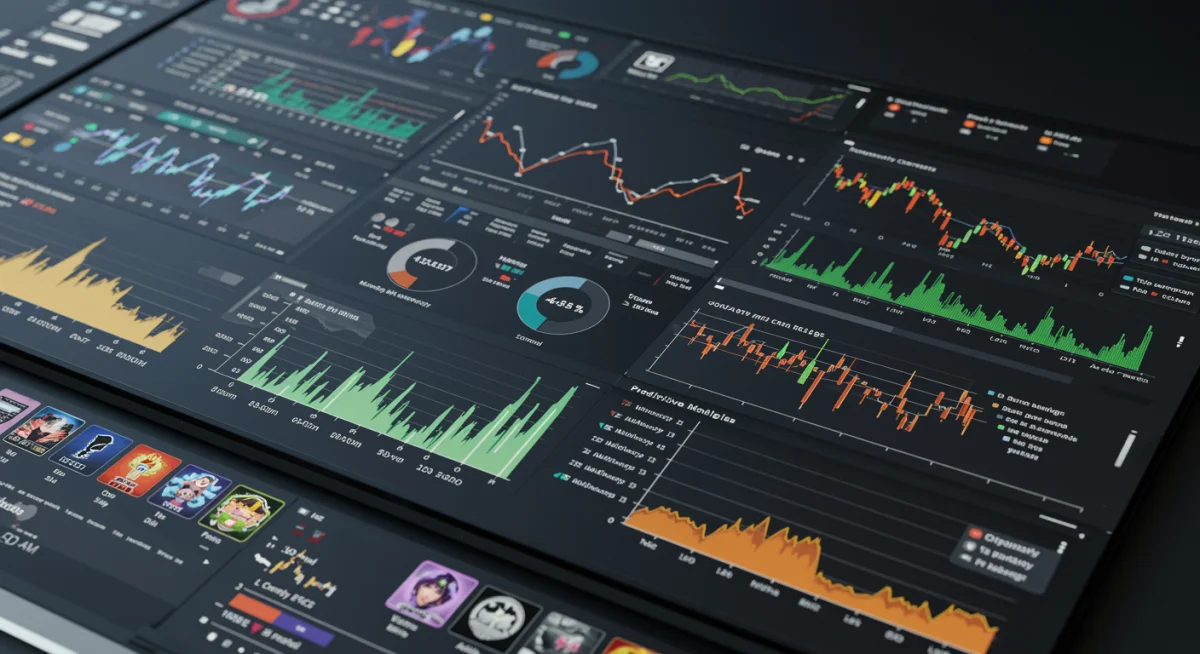
Building a robust data infrastructure is the first step. This involves selecting the right tools for data collection, storage, and processing. From custom-built dashboards to specialized analytics platforms, the choice depends on the scale of your investment and technical proficiency. However, the investment in such infrastructure is often justified by the enhanced decision-making capabilities it provides.
Building a Dynamic NFT Valuation Model
A dynamic valuation model combines all three techniques discussed. It starts with on-chain data to establish a baseline of scarcity and demand. This is then enriched by behavioral economics, tracking the movements of influential wallets. Finally, cross-platform sentiment analysis provides the qualitative layer, ensuring the model accounts for market narratives and community health. This iterative process allows the model to adapt to changing market conditions.
- Data Aggregation: Consolidate data from various sources—blockchain explorers, social media APIs, news feeds—into a centralized database.
- Interdisciplinary Analysis: Develop algorithms that can cross-reference findings from each technique, identifying strong signals and mitigating false positives.
- Continuous Iteration: Regularly update and refine models based on new data and market outcomes to maintain predictive accuracy and relevance.
The financial impact of such an integrated strategy is a significant reduction in risk and an increase in the probability of identifying high-growth opportunities. It transforms the often-speculative world of NFT investing into a disciplined, data-driven endeavor, making it possible to consistently maximize your NFT art portfolio value. This strategic integration is key to long-term success.
Challenges and Future Outlook for NFT Data Analytics
While the potential of data analytics in the NFT space is immense, several challenges remain. The nascent nature of the market means that data standards are still evolving, and the sheer volume and variety of data can be overwhelming. Furthermore, the rapid pace of technological innovation requires constant adaptation of analytical tools and methodologies. Addressing these challenges is crucial for the continued advancement of data-driven NFT investment strategies.
One significant challenge is the prevalence of data manipulation and wash trading. While on-chain data is transparent, discerning genuine market activity from artificial inflation requires sophisticated anomaly detection algorithms. The emotional and narrative-driven aspects of NFT valuation also present a challenge for purely quantitative models, highlighting the need for robust sentiment analysis.
Overcoming Data Obfuscation and Market Noise
The ability to filter out market noise and identify genuine signals is a skill that will become increasingly valuable. This involves not only advanced technical tools but also a deep understanding of market psychology and the underlying technology. As the market matures, so too will the methods for cleaning and interpreting data, making it more reliable for strategic decisions.
- Advanced Anomaly Detection: Implement AI models capable of identifying unusual transaction patterns indicative of wash trading or manipulation.
- Data Standardization Efforts: Advocate for and utilize platforms that promote standardized data formats and APIs, simplifying data integration and analysis.
- Ethical Data Practices: Ensure all data collection and analysis respects privacy and promotes fair market practices, building trust within the ecosystem.
Looking towards Q1 2026, the future of NFT data analytics will likely see greater integration with decentralized finance (DeFi) platforms, more sophisticated cross-chain analytics, and the emergence of specialized AI agents capable of autonomous analysis and even execution of trades. These advancements promise to further refine the ability to identify, acquire, and manage high-value NFT assets, continually driving the efforts to maximize your NFT art portfolio value.
The Strategic Advantage of Data-Driven NFT Investing
In the dynamic and often unpredictable world of NFT art, a data-driven approach offers a significant strategic advantage. Moving beyond speculative bets, investors who leverage advanced data analytics techniques are better equipped to navigate market volatility, identify genuine opportunities, and protect their investments. The insights gained from predictive AI, behavioral economics, and sentiment analysis transform the investment process from art appreciation to a precise science.
The financial impacts of adopting such strategies are not merely incremental; they are transformational. By Q1 2026, those who have integrated these advanced techniques will likely command portfolios that are not only more valuable but also more resilient to market shocks. This isn’t just about making more money; it’s about building sustainable wealth in a new asset class, understanding the nuances that others overlook.
Building a Resilient and Profitable NFT Portfolio
A resilient NFT portfolio is one that is diversified, strategically acquired, and continuously monitored using the best available data. It’s a portfolio where each asset has been chosen not just for its aesthetic appeal, but for its fundamental data-backed potential. This approach minimizes exposure to hype cycles and maximizes exposure to genuine value drivers.
- Diversification based on Data: Use analytics to identify uncorrelated assets across different NFT categories (e.g., PFP, generative art, gaming assets) to spread risk.
- Continuous Performance Monitoring: Implement automated dashboards to track the real-time performance of your portfolio against market benchmarks and predictive models.
- Adaptive Strategy: Remain flexible and willing to adjust your strategy based on new data insights, rather than clinging to outdated assumptions or emotional attachments.
Ultimately, maximizing your NFT art portfolio value in Q1 2026 and beyond hinges on a commitment to continuous learning and the adoption of cutting-edge analytical tools. The digital art revolution is still in its early stages, and those who master the art of data-driven investing will be the ones who reap the greatest rewards, shaping the future of this exciting and lucrative market.
| Key Technique | Brief Description |
|---|---|
| Predictive AI Analysis | Utilizes AI/ML to forecast NFT market trends, identifying future price movements and emerging opportunities. |
| On-Chain Behavioral Economics | Profiles wallet activities to understand market participant behavior, including whale movements and investment strategies. |
| Cross-Platform Sentiment Analysis | Analyzes social media and community discussions to gauge public sentiment and uncover influential market narratives. |
Frequently Asked Questions About NFT Art Portfolio Value
The primary benefit is transforming speculative NFT investments into data-driven strategies. This allows investors to make more informed decisions, identify undervalued assets, predict market shifts, and ultimately maximize their NFT art portfolio value with reduced risk.
AI models process vast datasets, including on-chain metrics and social sentiment, to detect subtle correlations and forecast future price movements. This enables investors to anticipate trends, position themselves advantageously, and capitalize on emerging opportunities before they become mainstream.
Wallet profiling provides insights into the behavior of key market participants, such as whales and long-term holders. By tracking their activities, investors can anticipate market shifts, understand underlying demand, and make strategic decisions to enhance their portfolio’s performance.
Absolutely. The narrative and community sentiment surrounding an NFT project significantly influence its perceived value and demand. Positive sentiment can drive price appreciation, while negative sentiment can signal a downturn, making it a crucial factor in valuation.
Key challenges include evolving data standards, the sheer volume of data, and the presence of wash trading and data manipulation. Overcoming these requires sophisticated anomaly detection and continuous adaptation of analytical tools to ensure data reliability.
Conclusion
The journey to consistently maximize your NFT art portfolio value is increasingly intertwined with the strategic application of advanced data analytics. As the market matures and investor sophistication grows, relying on intuition alone is no longer sufficient. By integrating predictive AI, on-chain behavioral economics, and cross-platform sentiment analysis, investors can gain an unparalleled edge, transforming speculative ventures into precise, data-driven investment strategies. The financial impacts are clear: enhanced returns, mitigated risks, and a resilient portfolio positioned for long-term success in the dynamic world of digital art. Embracing these techniques by Q1 2026 will not only future-proof your investments but also empower you to shape the narrative of your own financial growth in the blockchain ecosystem.