Gaming Altcoins 2026: Top 4 Play-to-Earn Projects Analyzed
The rise of gaming altcoins in 2026 is driven by innovative play-to-earn models, transforming digital entertainment into a new economic frontier.
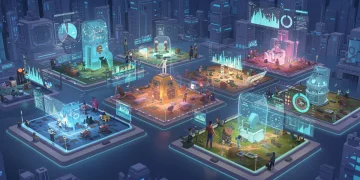
The landscape of digital entertainment is undergoing a profound transformation, spearheaded by the emergence of blockchain technology. This shift has given rise to a new era where players are not just consumers but active participants and owners within virtual economies. This article dives deep into gaming altcoins 2026, offering an analytical look at four projects poised to dominate the burgeoning play-to-earn space.
The Evolution of Play-to-Earn: A New Economic Paradigm
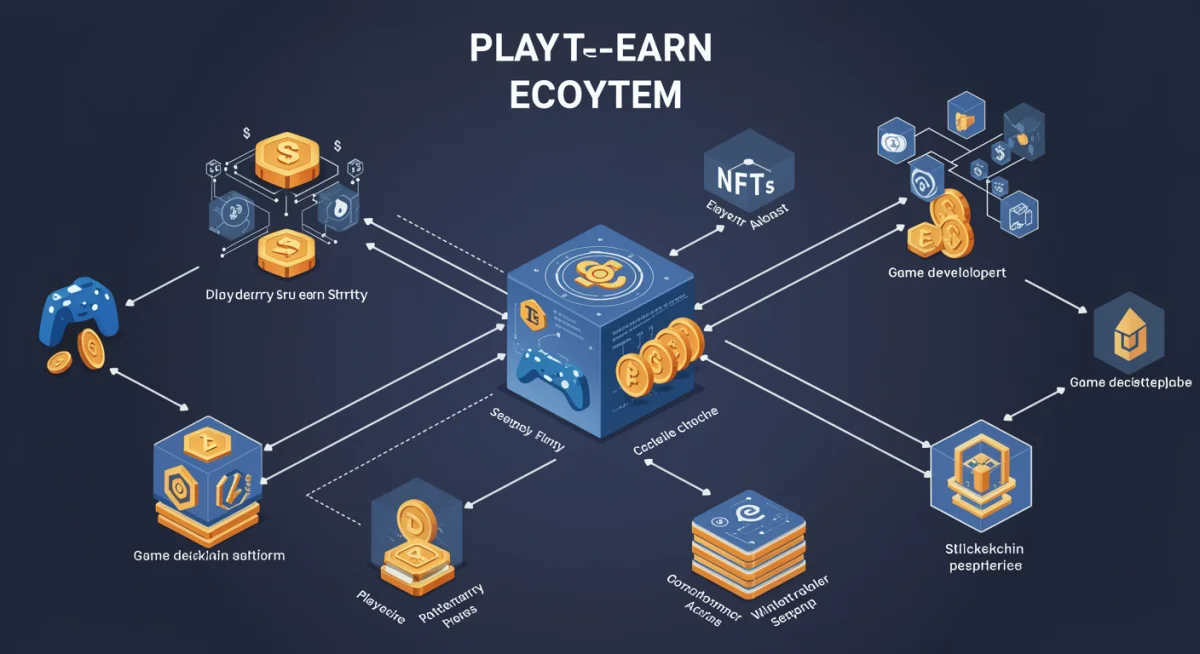
The play-to-earn (P2E) model represents a significant evolution from traditional gaming, where players typically spend money without retaining tangible ownership of in-game assets. P2E, however, leverages blockchain technology to enable players to earn cryptocurrencies and non-fungible tokens (NFTs) through gameplay, which can then be traded or sold on secondary markets. This fundamental change empowers players with economic sovereignty, transforming gaming from a mere pastime into a potential source of income.
Understanding the historical context of P2E reveals a rapid acceleration in adoption. Early blockchain games laid the groundwork, but recent advancements in scalability and user experience have propelled these platforms into the mainstream. The appeal lies in the direct financial incentives, fostering vibrant communities and creating entirely new digital economies. This model democratizes access to economic opportunities, particularly in regions where traditional employment might be scarce, offering a global marketplace for digital labor and creativity.
Key Drivers of P2E Growth
Several factors contribute to the escalating popularity and projected dominance of P2E gaming. These drivers highlight the intrinsic value and long-term potential of this innovative sector.
- Digital Asset Ownership: Players truly own their in-game items, characters, and virtual land as NFTs, providing verifiable scarcity and value.
- Economic Opportunities: Earning cryptocurrencies and NFTs creates real-world income streams, attracting a broad spectrum of players.
- Community Governance: Many P2E projects incorporate decentralized autonomous organizations (DAOs), giving players a voice in the game’s development and future.
- Interoperability: The potential for assets to be used across different games and platforms enhances their utility and value.
The continuous innovation within blockchain technology, coupled with increasing mainstream awareness of cryptocurrencies, suggests a robust future for P2E. As more developers and large gaming studios explore this model, the quality and complexity of P2E games are expected to rise significantly, drawing in even more users. This evolving ecosystem promises a dynamic future where digital ownership and economic participation are central to the gaming experience.
Decentraland (MANA): Pioneering the Metaverse Economy
Decentraland stands as a prominent pioneer in the metaverse, offering a decentralized virtual world where users can create, experience, and monetize content and applications. Built on the Ethereum blockchain, Decentraland allows participants to buy, sell, and manage virtual parcels of land (LAND) as NFTs, which are permanently owned by community members. This innovative approach to digital real estate has attracted significant attention from investors, artists, and developers alike, establishing a vibrant virtual economy.
The platform’s native cryptocurrency, MANA, is crucial for all transactions within Decentraland, including purchasing LAND, in-game items, and services. The utility of MANA extends to governance, enabling holders to vote on key policy decisions, land auctions, and future developments of the virtual world. This democratic structure ensures that the platform evolves in alignment with its community’s interests, fostering a strong sense of ownership and participation among its users. By 2026, Decentraland’s established infrastructure and active community are set to reinforce its position as a leading metaverse platform.
Decentraland’s Economic Model and Future Outlook
Decentraland’s economic model is designed to sustain a rich and diverse virtual ecosystem. The scarcity of LAND parcels, combined with the creative freedom offered to landowners, drives demand and value. Users can develop anything from virtual art galleries and casinos to event venues and advertising spaces, generating income through various means.
- Virtual Real Estate: LAND parcels are unique NFTs that can be developed and monetized, ranging from simple structures to elaborate experiences.
- Content Creation: Creators can build and sell wearables, 3D models, and interactive experiences, contributing to the platform’s vibrancy.
- Events and Experiences: Hosting virtual concerts, exhibitions, and social gatherings attracts users and generates revenue through ticket sales or sponsorships.
- DAO Governance: MANA holders actively participate in decisions impacting the platform’s future, ensuring decentralized development.
The future of Decentraland looks promising, with ongoing developments aimed at enhancing user experience, scalability, and interoperability. Strategic partnerships with real-world brands and celebrities continue to boost its profile, drawing in new users and investors. As the concept of the metaverse gains further traction, Decentraland is well-positioned to capitalize on this growth, offering a compelling vision of a decentralized digital future where creativity and commerce thrive.
Axie Infinity (AXS): A Pioneer in Blockchain Gaming
Axie Infinity revolutionized the play-to-earn sector by popularizing a model where players earn cryptocurrency through breeding, battling, and trading NFT-based creatures called Axies. Launched by Sky Mavis, Axie Infinity quickly became a global phenomenon, particularly in developing countries, offering a tangible economic opportunity for millions. Its success demonstrated the immense potential of integrating blockchain technology with engaging gameplay, creating a sustainable ecosystem where digital assets hold real-world value.
The game operates on two primary tokens: AXS (Axie Infinity Shards) and SLP (Smooth Love Potion). AXS serves as the governance token, allowing holders to participate in key decisions regarding the game’s development and treasury. SLP is an in-game currency earned through gameplay, used for breeding new Axies. The intricate economic balance between these tokens and the demand for Axies is central to the game’s long-term viability. By 2026, Axie Infinity aims to further enhance its ecosystem, making it more accessible and sustainable for a broader audience.
Innovations and Challenges for Axie Infinity
Axie Infinity’s journey has been marked by both groundbreaking innovations and notable challenges. Its early success inspired countless other P2E projects, establishing a blueprint for blockchain gaming. However, maintaining economic stability and addressing scalability issues have been ongoing efforts.
- Scholarship Programs: Guilds and individual managers lend Axies to new players, enabling participation without initial investment, fostering community growth.
- Ronin Sidechain: The development of the Ronin blockchain significantly reduced transaction fees and improved speed, enhancing the user experience.
- Origin (V3): Continuous updates to the game mechanics and introduction of new features aim to re-engage players and attract new ones.
- Community-Driven Development: AXS holders influence the game’s future, ensuring a decentralized and community-focused approach.
Despite past fluctuations in its token values, Axie Infinity continues to evolve, demonstrating resilience and a commitment to its community. Strategic adjustments to its economic model, combined with ongoing game development, are critical for its sustained success. As the P2E market matures, Axie Infinity’s experience and established user base position it as a formidable contender for long-term dominance in the gaming altcoin space.
The Sandbox (SAND): User-Generated Content in the Metaverse
The Sandbox is a community-driven platform where creators can monetize voxel assets and gaming experiences on the blockchain. Similar to Minecraft but with true digital ownership, The Sandbox empowers users to build, own, and monetize their virtual creations using NFTs. This focus on user-generated content (UGC) fosters a dynamic and infinitely expandable metaverse, attracting a diverse range of artists, game designers, and brands. The platform’s native token, SAND, is essential for all transactions and interactions within its ecosystem, from purchasing LAND to staking and governance.
The core appeal of The Sandbox lies in its comprehensive suite of tools, including VoxEdit for creating voxel assets and Game Maker for developing interactive experiences without requiring coding knowledge. This accessibility lowers the barrier to entry for creators, leading to a rich variety of content within the metaverse. By 2026, The Sandbox is expected to solidify its position as a leading platform for UGC in the blockchain space, driven by its robust tools and growing partnerships.
Monetization and Community in The Sandbox
The Sandbox offers multiple avenues for users to monetize their creativity and participation, creating a self-sustaining economy that rewards engagement.
- Asset Creation: Artists can design and sell voxel assets (ASSET NFTs) on the marketplace, earning SAND from their creations.
- Game Design: Developers can create and publish games on their LAND parcels, monetizing them through play-to-earn mechanics or access fees.
- LAND Ownership: Virtual land parcels (LAND NFTs) can be bought, sold, and rented, providing a basis for virtual real estate speculation and development.
- Staking and Governance: SAND holders can stake their tokens to earn rewards and participate in the platform’s decentralized governance through the DAO.
The platform’s strong emphasis on community involvement and creator empowerment distinguishes it from many competitors. Regular events, contests, and collaborations with major brands and intellectual properties continue to expand its user base and content offerings. The Sandbox’s vision of a truly decentralized metaverse, where users are both creators and owners, positions it for significant growth and influence in the evolving digital economy.
Immutable X (IMX): Scaling NFT Gaming with Layer 2
Immutable X is a leading Layer 2 scaling solution for NFTs on Ethereum, designed to facilitate high-speed, gas-free transactions for blockchain games and marketplaces. Recognizing the limitations of Ethereum’s mainnet, such as high gas fees and slow transaction times, Immutable X provides a robust infrastructure that allows game developers to build scalable and economically viable play-to-earn experiences. This technology is crucial for the mass adoption of NFT gaming, as it removes significant friction points that have historically hindered user engagement and developer innovation.
The native token, IMX, plays a vital role within the Immutable X ecosystem, used for transaction fees, staking, and governance. By offering instant trades and massive scalability without compromising on the security of Ethereum, Immutable X has become the preferred choice for numerous high-profile blockchain games. Its technical prowess and focus on developer-friendly solutions make it a critical player in the future of gaming altcoins by 2026.
Technical Advantages and Ecosystem Growth
Immutable X’s technical architecture, based on ZK-rollups, provides unparalleled advantages for the NFT gaming sector. This technology bundles hundreds of transactions off-chain into a single transaction on the Ethereum mainnet, drastically reducing costs and increasing throughput.
- Zero Gas Fees: Eliminates gas costs for minting and trading NFTs, making the P2E experience more affordable and accessible.
- Instant Transactions: Provides immediate transaction confirmation, enhancing the responsiveness of in-game actions and marketplace trades.
- Ethereum Security: Inherits the robust security of the Ethereum blockchain, ensuring the safety and integrity of digital assets.
- Developer Tools: Offers comprehensive APIs and SDKs, simplifying the integration of NFT functionality for game developers.
The growth of the Immutable X ecosystem is evident in the increasing number of games and projects building on its platform. Partnerships with major game studios and the development of its own flagship titles, such as Gods Unchained and Illuvium, further underscore its potential. As the demand for scalable and user-friendly blockchain gaming solutions continues to rise, Immutable X is uniquely positioned to power the next generation of play-to-earn games, driving innovation and adoption across the industry.
Future Trends and Investment Outlook for Gaming Altcoins
The trajectory of gaming altcoins and the broader play-to-earn sector points towards continued innovation and significant market expansion. As blockchain technology matures, we can anticipate more sophisticated game designs, enhanced interoperability between metaverses, and a blurring of lines between digital and physical economies. The investment outlook remains bullish, driven by increasing institutional interest, growing user bases, and the inherent value proposition of digital asset ownership.
Key trends to watch include the integration of artificial intelligence (AI) within P2E games, creating more dynamic and personalized experiences. Furthermore, the development of more intuitive user interfaces and improved onboarding processes will undoubtedly attract a wider, non-crypto-native audience. The regulatory landscape will also play a crucial role, with clearer guidelines potentially fostering greater mainstream adoption and investor confidence. The projects highlighted—Decentraland, Axie Infinity, The Sandbox, and Immutable X—are not just riding these trends but actively shaping them, making them critical entities to observe.
Emerging Opportunities and Risks
While the potential rewards in the gaming altcoin space are substantial, investors must also be aware of the inherent risks. Volatility in cryptocurrency markets, evolving regulatory frameworks, and the competitive nature of the gaming industry all present challenges.
- Technological Advancements: Continuous innovation in blockchain and gaming technology will open new possibilities and market niches.
- Mainstream Adoption: Increased awareness and easier access will bring more players and investors into the ecosystem.
- Interoperability: The ability for assets to move seamlessly between different games and metaverses will unlock new utility and value.
- Regulatory Clarity: Clearer governmental stances on cryptocurrencies and NFTs could provide stability and attract traditional investors.
Despite these risks, the long-term vision for gaming altcoins remains compelling. The shift towards player-owned economies and decentralized platforms represents a fundamental change in how we interact with digital content. Investors looking at the 2026 horizon should consider a diversified approach, focusing on projects with strong fundamentals, active development, and robust community support. The future of gaming is intertwined with blockchain, offering a new frontier for economic participation and digital innovation.
| Key Project | Brief Description |
|---|---|
| Decentraland (MANA) | A decentralized virtual world for creating, experiencing, and monetizing content. |
| Axie Infinity (AXS) | Pioneering play-to-earn game with NFT creatures for battling and breeding. |
| The Sandbox (SAND) | User-generated content metaverse for creating and monetizing voxel assets. |
| Immutable X (IMX) | Layer 2 scaling solution for gas-free, instant NFT transactions on Ethereum. |
Frequently Asked Questions About Gaming Altcoins
A gaming altcoin is a cryptocurrency specifically designed for use within blockchain-based games and metaverse platforms. These tokens often facilitate in-game transactions, asset ownership (NFTs), and governance, enabling play-to-earn models that reward players with real-world value.
Play-to-earn (P2E) games allow players to earn cryptocurrencies or NFTs through gameplay, which can then be traded or sold. Players typically engage in activities like battling, breeding, or building, and the digital assets they acquire hold verifiable value on the blockchain.
Immutable X is a Layer 2 scaling solution that enables gas-free and instant NFT transactions on Ethereum. This technology is crucial for gaming altcoins because it removes high transaction costs and slow speeds, making blockchain games more accessible and enjoyable for a mass audience.
Yes, you can potentially earn real money from gaming altcoins. Through play-to-earn games, players acquire cryptocurrencies and NFTs that can be sold on exchanges or marketplaces for fiat currency or other cryptocurrencies, creating tangible economic opportunities.
Risks include high market volatility, potential for economic imbalances within game ecosystems, evolving regulatory landscapes, and intense competition. Investors should conduct thorough research and be aware that digital assets can experience significant price fluctuations.
Conclusion
The rise of gaming altcoins represents a pivotal moment in both the cryptocurrency and gaming industries, heralding a future where digital ownership and economic participation are central. Projects like Decentraland, Axie Infinity, The Sandbox, and Immutable X are at the forefront of this transformation, each offering unique contributions to the play-to-earn ecosystem. While challenges remain, the innovative spirit and rapid advancements in blockchain technology suggest a robust and exciting future for these digital assets. As we move towards 2026, the continued evolution of these platforms will undoubtedly reshape how we perceive and interact with digital entertainment and virtual economies.