Anúncios
Understanding the tokenomics of emerging altcoins is crucial for US investors in 2026 to identify sustainable projects by analyzing supply, demand, distribution, and incentive structures.
For US investors navigating the rapidly evolving digital asset landscape, understanding the tokenomics of emerging altcoins is no longer just an advantage—it’s a necessity. As we move further into 2026, distinguishing between projects built for fleeting hype and those designed for long-term sustainability demands a deep dive into their underlying economic models. This guide aims to equip you with the knowledge to make informed investment decisions, focusing on the core principles that define a project’s potential for enduring success.
Anúncios
The Foundation of Tokenomics: Supply and Demand Dynamics
At its core, tokenomics refers to the economic principles governing a cryptocurrency token. This encompasses everything from its creation and distribution to its utility and eventual burning mechanisms. For any emerging altcoin, a clear understanding of its supply and demand dynamics is the bedrock of evaluating its potential sustainability.
The total supply, circulating supply, and issuance schedule are critical factors. Projects with uncapped supplies or rapid, inflationary issuance can face significant downward pressure on their token’s value over time. Conversely, well-managed, deflationary, or capped supplies often signal a more sustainable economic model.
Understanding Token Supply Metrics
Analyzing token supply involves more than just a single number. It requires a nuanced look at how tokens enter and exit the market.
Anúncios
- Total Supply: The maximum number of tokens that will ever exist.
- Circulating Supply: The number of tokens currently available and tradable by the public.
- Max Supply: The hard cap on the total number of tokens that can ever be minted.
Demand, on the other hand, is driven by the utility of the token. Does it grant governance rights, provide access to services, or act as a medium of exchange within a robust ecosystem? Projects that build genuine utility tend to foster organic demand, which is a strong indicator of sustainability.
Ultimately, a sustainable altcoin project in 2026 will exhibit a thoughtful balance between its supply mechanisms and the utility it provides, ensuring that demand can grow alongside or outpace supply, thereby supporting its long-term value proposition.
Distribution Mechanisms and Vesting Schedules
How tokens are initially distributed and released into the market significantly impacts an altcoin’s health and investment viability. A transparent and fair distribution mechanism helps prevent undue concentration of wealth, which can lead to price manipulation and instability. Vesting schedules, which dictate how and when tokens are released to early investors, team members, and advisors, are equally crucial.
Projects that allocate a disproportionately large percentage of tokens to founders or private investors without adequate vesting periods often create a scenario ripe for ‘dumping,’ where early holders sell off large quantities, crashing the price. This is a red flag for sustainability.
Fair Launch vs. Pre-mine Considerations
The method of initial distribution can vary widely. A ‘fair launch’ implies no pre-mine, with tokens distributed through mining or other decentralized means from the outset. A ‘pre-mine’ or ‘initial coin offering (ICO)’ involves a portion of tokens being created and allocated before public availability.
- Fair Launch: Often associated with greater decentralization and community ownership.
- Pre-mine/ICO: Can provide initial funding for development but requires careful scrutiny of allocation.
- Vesting Schedules: Essential for preventing immediate sell-offs by early investors and team members, promoting long-term commitment.
For US investors, examining the vesting schedule is paramount. Look for projects where team tokens are locked up for several years with a gradual release, aligning the team’s incentives with the long-term success of the project. Transparency in these schedules, often detailed in whitepapers or tokenomics documents, is a strong indicator of a trustworthy project.
Utility and Value Proposition: Beyond Speculation
The true measure of an altcoin’s sustainability lies in its utility and the genuine value it offers. In 2026, the market is maturing beyond pure speculation, demanding projects with tangible use cases that solve real-world problems or enhance existing systems. A token’s value should ideally be derived from its function within an ecosystem, rather than solely from market hype.
Consider what problem the altcoin aims to solve. Does it facilitate decentralized finance (DeFi) protocols, power a gaming ecosystem, enable secure data storage, or provide a new form of digital identity? The stronger and more unique its value proposition, the greater its potential for sustained demand.
Key Utility Categories
Tokens can serve various purposes within their respective ecosystems, driving their intrinsic value.
- Governance Tokens: Grant holders voting rights on project decisions.
- Utility Tokens: Provide access to services or features within a platform.
- Security Tokens: Represent ownership in an underlying asset, subject to securities regulations.
Projects that clearly articulate their utility and demonstrate a roadmap for its implementation are generally more sustainable. A token without a clear use case is essentially a speculative asset, vulnerable to market sentiment swings. Therefore, focusing on the practical applications and the underlying technology of an altcoin is crucial for identifying long-term value.
Incentive Structures and Staking Mechanisms
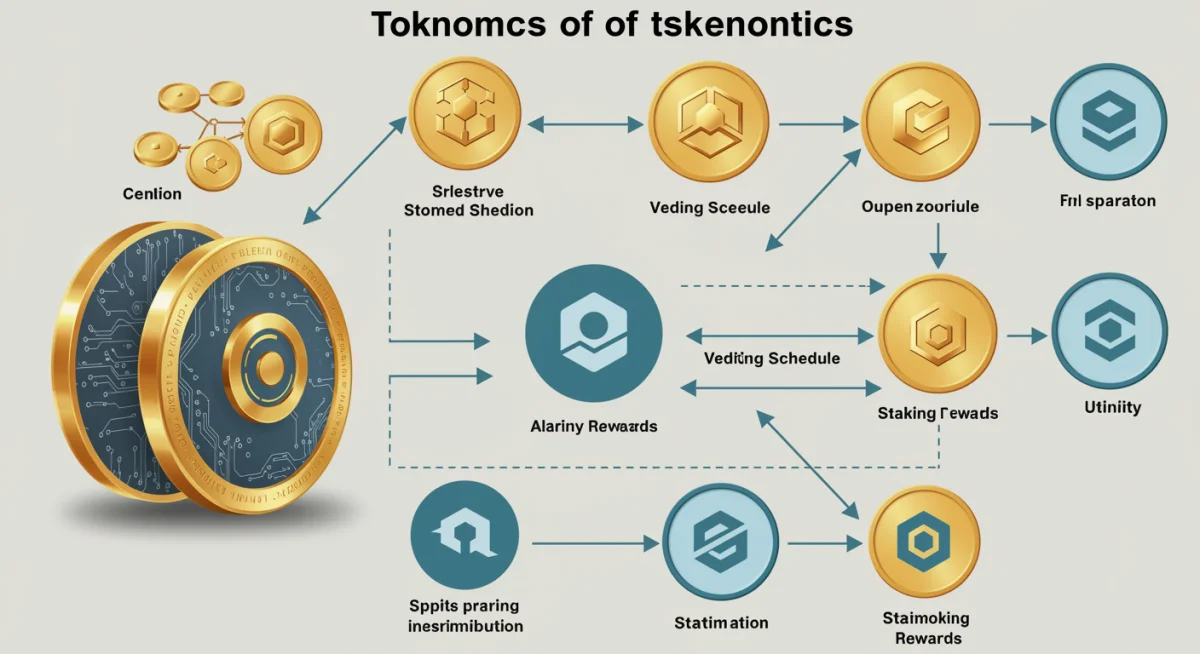
Well-designed incentive structures are vital for fostering a vibrant and engaged community, which is a cornerstone of sustainable altcoin projects. These incentives often come in the form of staking rewards, liquidity mining programs, or other mechanisms that encourage active participation and long-term holding. However, it’s crucial to differentiate between sustainable incentives and those that are overly inflationary.
Staking, for instance, allows token holders to earn rewards by locking up their assets to support network operations. This can reduce circulating supply and align holder interests with the project’s success. But excessively high staking rewards, especially in early stages, can lead to rapid inflation if not carefully managed, potentially devaluing the token over time.
Evaluating Staking and Reward Programs
When assessing incentive structures, consider the source of the rewards and their long-term viability.
- Reward Source: Are rewards generated from transaction fees, new token issuance, or a community fund?
- Inflationary Impact: How do new token emissions for rewards affect the overall supply and potential price?
- Participation Rates: High participation can indicate strong community belief, but also potential for large sell-offs if rewards diminish.
Sustainable projects will typically have incentive models that are transparent, economically sound, and designed to balance network security and participation with controlled token inflation. US investors should prioritize projects that detail how their incentive programs contribute to the overall health and growth of the ecosystem without creating unsustainable pressure on the token’s value.
Governance and Community Engagement
A decentralized and engaged community is often seen as a hallmark of a robust and sustainable blockchain project. Governance mechanisms, which allow token holders to vote on key decisions, play a pivotal role in shaping the future direction of an altcoin. Projects with active and transparent governance models tend to be more resilient and adaptable to changing market conditions.
The degree of decentralization in governance is a key factor. If a project’s future is solely in the hands of a few core developers or large stakeholders, it may be less resilient to external pressures or internal disagreements. True decentralization empowers the community, leading to more diverse perspectives and stronger collective decision-making.
Indicators of Strong Governance
- On-chain Governance: Token holders can directly vote on proposals using their tokens.
- Active Forums/DAOs: Vibrant discussions and proposals from the community.
- Transparent Roadmaps: Publicly accessible plans for future development, often influenced by community input.
For US investors, evaluating the community’s role in an altcoin’s development and decision-making process is crucial. A strong, engaged community not only contributes to the project’s innovation but also acts as a powerful force for adoption and long-term stability, making it a key indicator of sustainability in 2026.
Regulatory Landscape and Compliance for US Investors
The regulatory environment for altcoins in the United States is constantly evolving, and understanding its implications is critical for sustainable investment. In 2026, projects that proactively address regulatory compliance are far more likely to thrive and avoid legal pitfalls that could derail their progress. This includes understanding potential classifications of tokens as securities, commodities, or currencies, and adhering to relevant AML/KYC (Anti-Money Laundering/Know Your Customer) requirements.
US investors must be particularly diligent in assessing how an altcoin project plans to operate within existing and anticipated regulatory frameworks. Projects that ignore or are ill-prepared for regulatory scrutiny face significant risks, including delisting from exchanges, fines, or even complete cessation of operations. Compliance is not just a legal obligation; it’s a strategic advantage for long-term viability.
Navigating US Regulatory Considerations
Key areas of regulatory focus for altcoin projects include:
- Security Classification: Whether a token is deemed a security by the SEC, impacting its offering and trading rules.
- AML/KYC Measures: Compliance with financial regulations to prevent illicit activities.
- Tax Implications: Clarity on how token gains and activities are taxed for US investors.
Sustainable altcoin projects in 2026 will likely have clear legal counsel, be transparent about their regulatory strategies, and actively engage with regulators where appropriate. For US investors, prioritizing projects with a strong commitment to compliance mitigates significant legal and financial risks, contributing to the overall sustainability of their investment portfolio.
| Key Aspect | Brief Description |
|---|---|
| Token Supply & Demand | Analyze total, circulating, and max supply against genuine utility to gauge long-term value. |
| Distribution & Vesting | Scrutinize initial token allocation and vesting schedules to prevent market instability from early sell-offs. |
| Utility & Value | Identify clear, tangible use cases and a strong value proposition beyond mere speculation. |
| Regulatory Compliance | Assess how projects navigate US regulations to minimize legal and operational risks. |
Frequently Asked Questions About Altcoin Tokenomics
Tokenomics refers to the economics of a cryptocurrency token, including its supply, distribution, and utility. It’s crucial for altcoin investments because it dictates a project’s long-term sustainability, potential for value appreciation, and resilience against market volatility. Analyzing tokenomics helps investors assess a project’s fundamental strength.
Vesting schedules control the gradual release of tokens to early investors and team members. Well-structured vesting prevents immediate large-scale sell-offs that can crash a token’s price, aligning incentives for long-term project success and market stability. Poor vesting can lead to significant price pressure and instability.
Utility is paramount as it provides a token with intrinsic value beyond speculation. A sustainable altcoin solves real-world problems or offers tangible benefits within its ecosystem, driving organic demand. Without clear utility, a token’s value is highly susceptible to market sentiment and hype, making it unsustainable.
The US regulatory landscape for cryptocurrencies is evolving, and compliance is vital to avoid legal issues. Projects that proactively address regulations, such as security classifications and AML/KYC, reduce risks of delisting, fines, or operational halts. This commitment safeguards investor interests and fosters long-term project viability.
Look for projects with uncapped supplies, excessively high token issuance rates, or unsustainable reward programs that rely heavily on minting new tokens. While some inflation can be managed, unchecked inflation can dilute token value over time. Sustainable projects balance new issuance with demand and utility to maintain value.
Conclusion
As US investors look to 2026 and beyond, the ability to critically analyze the tokenomics of emerging altcoins will be a defining factor in successful investment strategies. Moving past superficial hype and delving into the intricate details of supply, demand, distribution, utility, incentives, governance, and regulatory compliance provides a robust framework for identifying truly sustainable projects. By applying these principles, investors can navigate the dynamic crypto market with greater confidence, building portfolios resilient to fleeting trends and focused on long-term growth and innovation.