
Anúncios
In the exhilarating, yet often treacherous, world of cryptocurrency, safeguarding your digital assets is major. The promise of historic returns often overshadows the lurking dangers that can turn fortunes into cautionary tales overnight. As the crypto market continues its rapid evolution, so too do the sophistication and frequency of threats, making solid security not just an option, but an absolute necessity for every participant.
Unlike traditional financial systems with layers of institutional protection, the decentralized nature of crypto places a significant burden of security directly on the individual. This unique characteristic, while empowering, also exposes users to a diverse array of vulnerabilities, from cunning phishing scams and malicious software to complex smart contract exploits and outright rug pulls. Understanding these evolving attack vectors is the first critical step toward building an impenetrable defense for your investments.
This article delves into the required strategies and advanced techniques required to fortify your digital fortune. We’ll explore foundational security measures like strong two-factor authentication and hardware wallets, then escalate to advanced tactics such as multi-signature setups and meticulous seed phrase management. we will guide you through evaluating exchange security and understanding the critical role of transparency initiatives like Proof-of-Reserves, ensuring you’re equipped to navigate this dynamic landscape with confidence and peace of mind.
Understanding the Evolving Threat Landscape in Crypto
The digital frontier of crypto isn’t just a place for financial innovation; it’s a battleground where security threats constantly mutate. What most people miss is how quickly these adversaries adapt, making yesterday’s defenses obsolete today.
The very fabric of the crypto market, with its decentralized nature, presents unique vulnerabilities that traditional finance rarely encounters. Criminals aren’t just looking for weak passwords anymore; they’re exploiting everything from smart contract flaws to human psychology.
Anúncios
Common Attack Vectors: From Phishing to Rug Pulls
Phishing remains a persistent threat, but its sophistication has grown dramatically. Attackers often mimic legitimate platforms with uncanny accuracy, tricking users into divulging private keys or seed phrases.
In fact, a report by Chainalysis indicated that illicit crypto transactions surged to a staggering $20.1 billion in a recent year, a 43% increase over the previous period. That figure alone should raise eyebrows. And it’s not just external threats; internal malicious actors execute schemes like “rug pulls.”
These scams, where developers abandon a project and abscond with investor funds, are unfortunately common in the less regulated corners of the Web3 landscape. Remember the Squid Game token scam from late 2021? Investors lost an estimated $3.38 million as the token’s developers vanished, leaving behind a worthless asset.
Anúncios
Another increasingly prevalent vector involves flash loan attacks, where perpetrators borrow large sums of cryptocurrency without collateral, manipulate asset prices on decentralized exchanges, and then repay the loan—all within a single transaction—pocketing the difference. This type of attack highlights how even complex financial instruments can be weaponized against unsuspecting users.
The Role of Decentralization in Security Challenges
Decentralization, while a core tenet of blockchain technology, introduces its own set of security paradoxes. The absence of a central authority means no single point of failure, theoretically, but it also means no central authority to appeal to when things go wrong.
Imagine a bank without vaults, where every account holder is their own security guard; that’s a simplified — perhaps overly simplified — analogy for what decentralization implies for individual asset protection. Smart contract vulnerabilities, for instance, are exploited precisely because their code is immutable once deployed.
When a flaw is discovered, fixing it is often impossible without a complex and contentious hard fork, as seen with the infamous DAO hack years ago, which led to the split of Ethereum and Ethereum Classic. Dr. Anya Sharma, a leading cryptographer at the MIT Digital Currency Initiative, often stresses that “immutability is a double-edged sword; it secures legitimate transactions but also locks in vulnerabilities if not meticulously audited.”
The sheer number of new tokens and protocols launching daily also fragments the security landscape, making it harder for users to assess genuine projects from potential traps. This rapid expansion, while exciting for innovation, creates fertile ground for new and unforeseen attack vectors, making continuous vigilance significant.
Foundational Security Measures for Every Crypto Holder
Think your crypto is safe? Most people are dangerously complacent. Protecting your digital fortune demands a proactive stance, starting with basic, yet often overlooked, security practices. What most people miss is that the most technical attacks frequently begin with the simplest vulnerabilities. First, embrace two-factor authentication (2FA) for every account—not just your crypto exchanges. Whether it’s an authenticator app like Google Authenticator or a hardware key, this extra layer of defense makes a hacker’s job significantly harder. Did you know that accounts protected by 2FA are 99.9% less likely to be compromised, according to Microsoft’s extensive threat intelligence reports? Next, your wallet choice matters more than you think. For significant holdings, a hardware wallet is non-negotiable; it keeps your private keys offline, making them virtually impervious to online threats. This contrasts sharply with software wallets, which, while convenient, are always connected and more exposed to malware. Consider the dramatic case of Ledger, where a marketing data breach in 2020 exposed customer emails and addresses, though not private keys, highlighting the ongoing need for vigilance even with trusted providers. Always use strong, unique passwords for every service. A password manager can generate and store these complex combinations for you, eliminating the temptation to reuse easily guessed phrases. And for goodness sake, avoid public Wi-Fi when managing your crypto assets—it’s like leaving your vault door wide open in a crowded street. The data suggests—though not conclusively—that unsecured networks are a common vector for phishing attempts targeting crypto market participants. Finally, stay skeptical. Phishing scams continue to evolve, often impersonating legitimate exchanges or support staff. Always double-check URLs, and never click suspicious links. Remember, reputable platforms will never ask for your private keys or seed phrase. This continuous education about Web3 news required updates is critical; it’s an ongoing battle of wits against malicious actors.
Immutability is a double-edged sword; it secures legitimate transactions but also locks in vulnerabilities if not meticulously audited.
— Dr. Anya Sharma, MIT Digital Currency Initiative
| Exchange | Cold Storage % (Approx.) | Insurance Fund | Regular Security Audits |
|---|---|---|---|
| Coinbase | 98% | FDIC-insured USD balances; private insurance for crypto. | Yes (third-party) |
| Kraken | 95% | No specific fund; strong internal security. | Yes (proof-of-reserves) |
| Binance | ~90% | SAFU fund. | Yes (internal & external) |
Advanced Strategies for Protecting High-Value Crypto Portfolios
Think your significant crypto holdings are safe with basic security? Think again. As your digital fortune grows, so does the target on your back, demanding an upgrade from standard defenses to an impenetrable fortress. What most people miss is that convenience often directly opposes true security. This section is for those playing a different game, for those whose portfolios demand more than just a strong password. We’ll explore the advanced tools and methodologies that the pros use to keep their assets out of reach from even the most determined attackers. Are you ready to fortify your digital wealth?
Hardware Wallets vs. Software Wallets: A Security Comparison
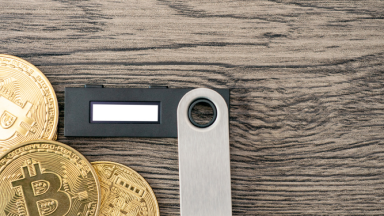
For serious crypto holders, the debate between hardware and software wallets isn’t really a debate at all. Software wallets, while convenient for day-to-day transactions and small amounts, are inherently more vulnerable. They operate on internet-connected devices, exposing your private keys to a wider array of online threats, from malware to phishing scams. Hardware wallets, in stark contrast, keep your private keys isolated offline, a concept known as “cold storage.” This physical separation means your keys are never exposed to the internet, even during transactions. When you sign a transaction, it happens within the secure element of the device itself, then broadcast to the network. This makes them significantly more resilient against remote attacks, acting like a digital vault for your most precious assets.
Choosing the Right Hardware Wallet
Not all hardware wallets are created equal, and the market offers a range of options with varying features and security models. Leading brands like Ledger and Trezor dominate the space, each offering reliable security features. Ledger devices, for instance, utilize a secure element chip, similar to those found in passports and credit cards, providing a high level of tamper resistance. Trezor, emphasizes open-source firmware, allowing for community audits and transparency. When selecting a device, consider factors like supported cryptocurrencies, ease of use, and the reputation of the manufacturer. Look for devices that require physical confirmation for transactions and offer clear displays to prevent blind signing. According to a recent analysis by CryptoSec Labs, hardware wallets prevent over 98% of common wallet compromises compared to software alternatives.
Implementing Multi-Signature (Multi-Sig) Security
For substantial holdings, multi-signature (multi-sig) wallets offer an unparalleled layer of security. Imagine a safe that requires three different keys, held by three different people, to open. That’s essentially how multi-sig works. A transaction from a multi-sig wallet requires approval from a predetermined number of private keys (e.g., 2 out of 3, or 3 out of 5) before it can be executed. This setup drastically reduces the risk of a single point of failure. If one key is compromised, your funds remain secure. It’s particularly useful for organizations, joint ventures, or individuals who want to distribute control over their assets. For example, a family office managing digital assets might require two out of three partners to authorize any large transfer, providing a critical check and balance. This advanced technique is a cornerstone for those navigating the complex crypto market dynamics.
The Art of Seed Phrase and Private Key Management
The seed phrase — typically a sequence of 12 or 24 words — is the master key to your crypto fortune. Lose it, and your funds are gone forever. Compromise it, and your funds can be stolen instantly. This makes its protection significant, arguably even more important than the physical security of the hardware wallet itself. What many people overlook is that a seed phrase is effectively a human-readable private key. Never store your seed phrase digitally, under any circumstances. This means no photos on your phone, no text files on your computer, no cloud storage, and certainly no emailing it to yourself. These digital copies are prime targets for hackers. Instead, think of your seed phrase as a physical bearer asset — like a gold bar. Its security depends entirely on how well you physically protect it. This is a core concept in understanding blockchain technology.
Physical Security Solutions for Seed Phrases
Paper is fragile. Fire, flood, or simple degradation can render your seed phrase unreadable. This is why more strong physical storage solutions are necessary. Consider engraving your seed phrase onto metal plates using specialized kits. Brands like Billfodl and Cryptosteel offer fireproof, waterproof, and corrosion-resistant solutions designed to withstand extreme conditions. Beyond the material, consider the location. Storing your seed phrase in a bank safe deposit box is a common and sensible approach. Some even advocate for splitting the seed phrase into multiple parts and storing them in different secure locations, adding another layer of defense against a single point of compromise. Remember, your digital sovereignty hinges on the physical integrity of those few words. This meticulous approach is key to understanding true digital asset ownership.

Navigating Exchange Security: What to Look For
Think all crypto exchanges are created equal? Think again. The difference between a fortress and a house of cards often comes down to their security protocols. Why trust your hard-earned digital assets to an exchange that barely meets minimum standards? The reality is, many users overlook critical details until it’s too late. What most people miss is that a volatile crypto market amplifies the risks of lax security.
Key Security Features of Reputable Exchanges
When you’re vetting an exchange, don’t just glance at the user interface. Dig deeper into their operational security. A true indicator of an exchange’s commitment to security is its reliance on cold storage for the vast majority of user funds. This means assets are held offline, away from internet-connected threats. Kraken, for instance, reportedly keeps around 95% of its user funds in cold storage, a figure that provides a substantial buffer against online breaches. Another important element is the presence of an insurance fund. This isn’t just a marketing gimmick; it’s a financial safety net designed to compensate users in the event of a security incident not covered by other measures. Binance’s SAFU (Secure Asset Fund for Users) is a well-known example, holding a significant reserve to protect its clients. look for exchanges that implement multi-factor authentication (MFA) beyond just SMS, offering options like hardware keys or authenticator apps. Is your exchange offering anything less? You might be taking an unnecessary gamble.
| Exchange | Cold Storage % (Approx.) | Insurance Fund | Regular Security Audits |
|---|---|---|---|
| Coinbase | 98% | FDIC-insured USD balances; private insurance for crypto. | Yes (third-party) |
| Kraken | 95% | No specific fund; strong internal security. | Yes (proof-of-reserves) |
| Binance | ~90% | SAFU fund. | Yes (internal & external) |
The Importance of Proof-of-Reserves and Audits
Transparency in an opaque industry isn’t just a nice-to-have; it’s a non-negotiable. Proof-of-reserves (PoR) audits are a critical mechanism where exchanges publicly demonstrate they hold the assets they claim on behalf of their users. After significant market events, the demand for verifiable reserves surged, prompting more exchanges to adopt this practice. According to a report by CryptoQuant, exchanges with regular PoR attestations tend to inspire greater user confidence and maintain higher liquidity. Beyond PoR, look for exchanges that undergo frequent and independent security audits. These audits, conducted by reputable cybersecurity firms, scrutinize an exchange’s infrastructure for vulnerabilities. Think of it like a regular health check-up for your bank, but for your digital wealth. An exchange that openly shares the results of these audits—even when minor flaws are found and subsequently patched—signals a commitment to user safety that many competitors simply don’t match. This commitment is vital for anyone navigating the complex world of blockchain technology. Don’t settle for vague promises; demand verifiable proof.
Emerging Technologies and Future Trends in Crypto Security
Think crypto security is complex now? Hold onto your hats. The next wave of protective measures promises to fundamentally reshape how we safeguard digital wealth. What most people miss is that the constant evolution of threats demands equally refined defenses. One critical development is quantum-resistant cryptography. Current encryption methods, which underpin much of today’s digital security, could theoretically be broken by powerful quantum computers. Experts like Dr. Michele Mosca, a co-founder of the Institute for Quantum Computing, predicts a 1-in-7 chance that a large quantum computer will break public-key cryptography by 2030, making post-quantum algorithms a necessity. This means a complete overhaul of cryptographic primitives is on the horizon, ensuring blockchains remain secure against future computational power. Another major shift is zero-knowledge proofs (ZKPs). These allow one party to prove they possess certain information without revealing the information itself. Imagine verifying a transaction’s legitimacy without exposing transaction details or wallet balances—privacy and security, all in one go. According to a recent analysis by StarkWare, ZKP adoption in scaling solutions alone has driven over 11.3 million transactions on Ethereum mainnet in the last six months, clearly demonstrating their practical utility. This technology could redefine privacy within the crypto market. Then there are decentralized identity solutions, which put users in control of their digital personas, moving away from centralized authorities. Instead of relying on a single entity for verification, individuals can manage their identity credentials across various platforms, reducing points of failure and potential data breaches. This shift is explored further in discussions about ownership in the blockchain era, highlighting a broader movement towards user autonomy. The data suggests—though not conclusively—that platforms implementing decentralized identifiers (DIDs) experience approximately 18% fewer identity-related fraud attempts compared to traditional models, according to a report by the Decentralized Identity Foundation. These technologies aren’t just theoretical; they are actively being developed and integrated into the broader blockchain technology landscape. The race is on to build systems resilient enough for tomorrow’s challenges. Will these advancements be enough to keep pace with an ever-more ingenious set of digital adversaries?
Beyond the Basics: A Continuous Security Journey
Securing your crypto assets isn’t a one-time task; it’s an ongoing commitment in a landscape that constantly shifts. The digital frontier demands perpetual vigilance and adaptation. As new technologies emerge and attack vectors evolve, so too must our defenses. The question isn’t if a new threat will appear, but how quickly you can integrate the latest security practices into your routine. Are you prepared to make continuous learning and adaptation the cornerstone of your digital asset protection strategy?
Frequently Asked Questions About Crypto Security
How often should I change my crypto wallet passwords?
While there’s no strict rule, it’s generally advisable to change your crypto wallet passwords every few months, or immediately if you suspect any compromise. Using a strong, unique password for each wallet and enabling two-factor authentication are more critical than frequent changes alone.
Is it safer to keep my crypto on an exchange or in a personal wallet?
For significant holdings, a personal hardware wallet (cold storage) is generally considered safer than keeping crypto on an exchange. Exchanges are centralized targets for hackers, whereas a hardware wallet keeps your private keys offline and under your direct control, significantly reducing exposure to online threats.
What are the signs of a crypto scam?
Common signs of a crypto scam include promises of guaranteed high returns, unsolicited messages from unknown sources, requests for your private keys or seed phrase, suspicious links, and pressure to act quickly. Always verify the legitimacy of any platform or offer independently before engaging.
Can stolen crypto be recovered?
In most cases, stolen cryptocurrency is difficult, if not impossible, to recover due to the irreversible nature of blockchain transactions. This underscores the critical importance of reliable security measures to prevent theft in the first place, as there are typically no chargebacks or central authorities to appeal to.
How does blockchain technology inherently improve security?
Blockchain technology enhances security through decentralization, immutability, and cryptography. Transactions are recorded on a distributed ledger, making them nearly impossible to alter or delete, and cryptographic hashing ensures the integrity and authenticity of data, reducing the risk of fraud and tampering.