Advanced NFT Wallet Protection: Securing Digital Art by 2026
Securing your digital art portfolio requires advanced NFT wallet protection strategies, including robust authentication, hardware solutions, and proactive threat mitigation, to safeguard valuable assets by 2026.
As the digital art landscape continues its rapid evolution, ensuring the safety of your invaluable non-fungible tokens (NFTs) becomes paramount. By 2026, the complexity of threats targeting digital assets will have grown significantly, making robust NFT Wallet Protection an absolute necessity for every collector and artist.
Understanding the Evolving Threat Landscape for Digital Assets
The burgeoning NFT market has regrettably attracted a sophisticated ecosystem of cyber threats. From phishing scams to complex smart contract vulnerabilities, the methods employed by malicious actors are constantly evolving, demanding an equally dynamic approach to security.
Digital art, often representing significant value and personal investment, is a prime target. As blockchain technology matures, so too do the tactics of those seeking to exploit its nuances. Understanding these threats is the first step in building an impenetrable defense for your digital portfolio.
Common Attack Vectors in the NFT Space
Attackers frequently target vulnerabilities in user behavior and software. Phishing attacks, where fake websites or emails trick users into revealing private keys, remain prevalent. Malware designed to steal wallet credentials or execute unauthorized transactions is also a significant concern.
- Phishing Scams: Deceptive communications designed to steal personal information.
- Malware and Spyware: Malicious software that compromises device security.
- Smart Contract Exploits: Vulnerabilities within the code of NFTs or related dApps.
- Supply Chain Attacks: Compromising legitimate software or services to distribute malware.
Beyond these, social engineering tactics, where attackers manipulate individuals into divulging sensitive information, are on the rise. These often bypass technical security measures, highlighting the importance of user education.
The Rise of Sophisticated Cybercrime Syndicates
The days of lone hackers are increasingly behind us. Well-funded and organized cybercrime syndicates are now actively targeting the NFT space, employing advanced techniques and resources. These groups often leverage zero-day exploits and highly targeted attacks, making generic security measures insufficient.
Their strategies can include prolonged surveillance of high-value targets, exploiting known software vulnerabilities, and even developing custom tools for specific attacks. This elevated threat level necessitates a multi-layered security approach that is both proactive and adaptive.
Implementing Multi-Factor Authentication (MFA) Beyond the Basics
While MFA is a cornerstone of digital security, its application in the NFT space requires a more nuanced and robust implementation. Standard two-factor authentication (2FA) via SMS or email, while better than nothing, is increasingly vulnerable to SIM-swapping attacks and email compromises.
By 2026, advanced MFA solutions will be non-negotiable for securing your NFT wallet. These go beyond simple codes, incorporating biometric data, hardware tokens, and even decentralized identity solutions.
Hardware-Based MFA Solutions
Physical hardware keys, such as YubiKeys or similar FIDO2-compliant devices, offer a superior layer of protection. These devices require physical presence to authenticate, significantly reducing the risk of remote attacks. Integrating these with your wallet and exchange accounts adds a formidable barrier against unauthorized access.
The private key for your NFT wallet should ideally be protected by such a hardware device, ensuring that even if your computer is compromised, your assets remain secure. This approach moves the security burden from easily hackable software to a tamper-resistant physical device.
Biometric and Decentralized Identity Integration
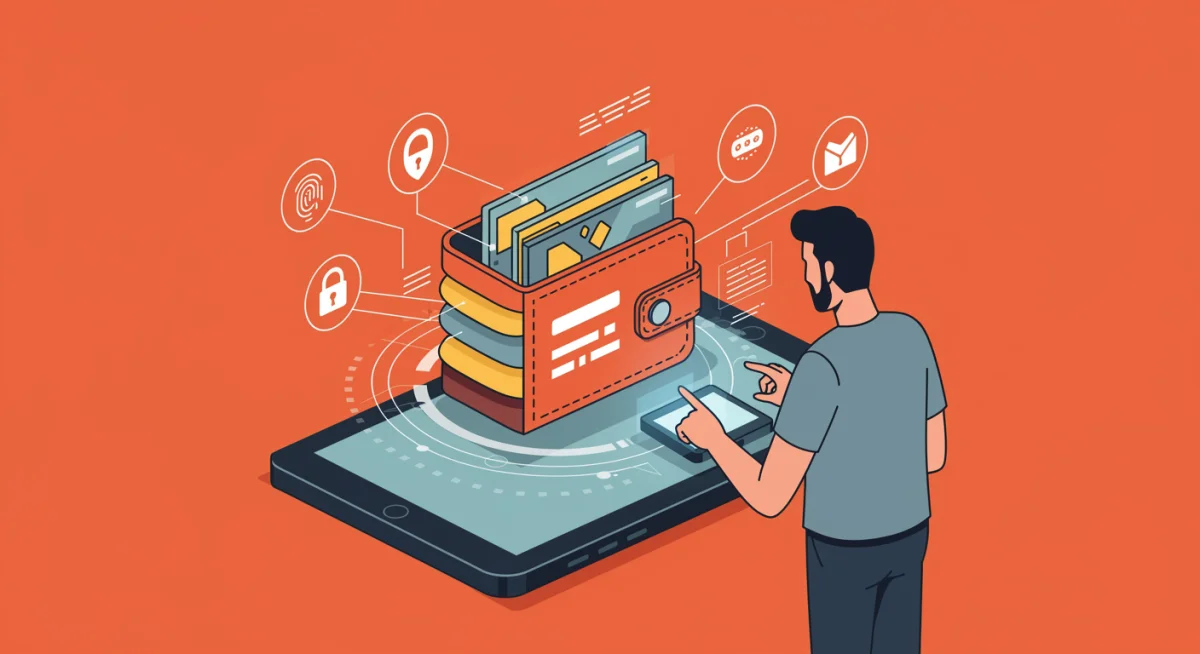
The future of MFA in Web3 leans heavily into biometrics and decentralized identity. Fingerprint scanners, facial recognition, and even iris scans are becoming more common, offering a seamless yet highly secure authentication experience. These are often integrated directly into hardware wallets or secure mobile devices.
- On-device Biometrics: Fingerprint or facial recognition for transaction signing.
- Decentralized Identifiers (DIDs): Self-sovereign identity management for enhanced privacy and control.
- Threshold Signatures: Requiring multiple parties or conditions to authorize a transaction.
- Time-Based One-Time Passwords (TOTP): More secure than SMS, especially when used with dedicated authenticator apps.
Decentralized identity solutions promise to revolutionize how we manage our digital personas, linking our identities directly to the blockchain and providing a more secure and private way to authenticate without relying on centralized authorities.
Securing Your Seed Phrase: The Ultimate Key
Your seed phrase, also known as a recovery phrase, is the master key to your NFT wallet. Losing it or having it compromised means losing all your digital assets. Therefore, its protection must be treated with the utmost seriousness, far beyond just writing it down on a piece of paper.
By 2026, best practices dictate multiple layers of physical and digital security for this critical piece of information. Think of it as the deed to your most valuable possessions; its security is paramount.
Physical Storage of Seed Phrases
While writing down your seed phrase is a good starting point, storing it in a fireproof and waterproof safe, ideally in multiple secure locations, is far better. Consider using specialized metal plates designed to engrave or stamp your seed phrase, making it impervious to environmental damage.
Never store your seed phrase digitally, even in encrypted files, on any device connected to the internet. This includes cloud storage, email, or even password managers that aren’t specifically designed for offline seed phrase management.
Advanced Seed Phrase Management Techniques
For high-value portfolios, consider advanced techniques like Shamir’s Secret Sharing. This method allows you to split your seed phrase into multiple unique parts, where a certain number of parts (e.g., 3 out of 5) are required to reconstruct the original phrase. This significantly reduces the risk of a single point of failure.
- Shamir’s Secret Sharing: Distribute parts of your seed phrase to different trusted individuals or locations.
- Cryptosteel Capsules: Durable, fireproof, and waterproof metal storage for seed phrases.
- Air-Gapped Devices: Using an offline computer to generate and manage seed phrases.
- Regular Audits: Periodically verifying the integrity and security of your seed phrase storage.
Another emerging strategy involves using air-gapped computers—devices never connected to the internet—to generate and store seed phrases. This creates an offline environment completely isolated from online threats, offering a superior level of security for the generation and initial storage of your wallet’s core.
Leveraging Hardware Wallets for Cold Storage
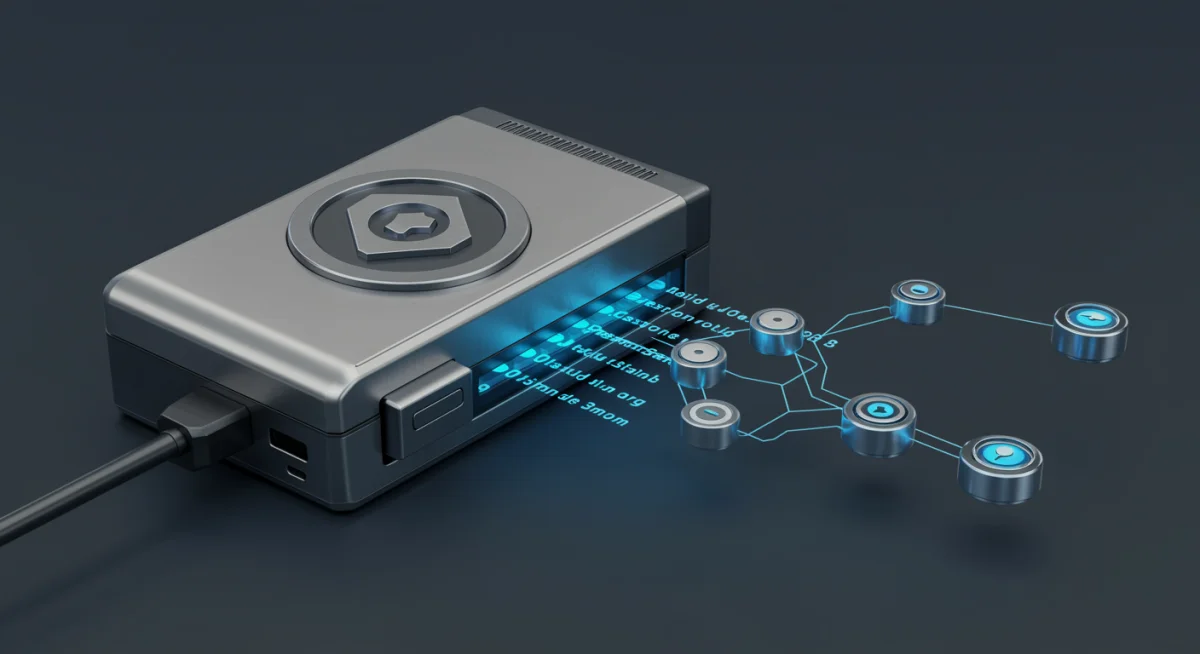
Hardware wallets, often referred to as cold storage, are indispensable tools for serious NFT collectors. They keep your private keys offline, making them immune to online hacks and malware. This physical separation from the internet is the strongest defense against digital theft.
By 2026, the adoption of hardware wallets will be a standard practice, not an exception, for anyone holding significant digital assets. Their evolution includes enhanced security features and more user-friendly interfaces.
Choosing the Right Hardware Wallet
Not all hardware wallets are created equal. Research reputable brands like Ledger, Trezor, or Keystone. Look for devices with strong security certifications, open-source firmware (if possible), and a proven track record of resisting attacks. Ensure the wallet supports the blockchain networks where your NFTs reside.
Consider features like a secure element chip, robust PIN protection, and clear screen displays for transaction verification. The ability to verify transactions directly on the device’s screen prevents sophisticated phishing attacks where malicious actors try to alter transaction details on your computer.
Best Practices for Hardware Wallet Usage
Even the best hardware wallet can be compromised through user error. Always purchase directly from the manufacturer to avoid tampered devices. Never share your PIN or seed phrase with anyone. When signing transactions, meticulously review all details on the hardware wallet’s screen before confirming.
- Purchase Directly: Buy hardware wallets only from official manufacturers or authorized resellers.
- Regular Firmware Updates: Keep your hardware wallet’s firmware up to date to patch vulnerabilities.
- Verify Transactions: Always confirm transaction details on the device screen, not just your computer.
- Use Passphrases: Add an extra layer of security to your seed phrase with a passphrase, if supported.
For maximum security, consider using a passphrase (a 25th word) with your hardware wallet. This adds an extra layer of protection, making it virtually impossible for someone to access your funds even if they gain access to your seed phrase.
Proactive Threat Detection and Response
Security is not a static state but an ongoing process. Relying solely on preventative measures is insufficient in the face of constantly evolving threats. A robust security posture includes active monitoring and a clear plan for incident response.
By 2026, advanced threat detection tools and a proactive mindset will be crucial for identifying and mitigating potential breaches before they escalate. This involves leveraging blockchain analytics, security audits, and staying informed about new vulnerabilities.
Monitoring Your Wallet and Associated Accounts
Utilize blockchain explorers and portfolio trackers to regularly monitor your wallet activity. Look for any unauthorized transactions, unusual token movements, or suspicious interactions. Set up alerts for large transactions or transfers from your wallet.
Beyond your wallet, secure your email, social media, and other accounts linked to your NFT activities. Implement strong, unique passwords for each, and enable MFA wherever possible. Regularly review privacy settings and permissions granted to dApps.
Staying Informed and Leveraging Security Tools
The NFT and Web3 space moves quickly. Stay updated on the latest security threats, scams, and best practices by following reputable security researchers, blockchain news outlets, and community forums. Knowledge is a powerful defense.
- Security Audits: Engage with services that audit smart contracts and dApps before interaction.
- Antivirus and Anti-malware: Keep your operating system and security software up to date.
- VPN Usage: Employ a Virtual Private Network, especially on public Wi-Fi, to encrypt your internet traffic.
- Browser Extensions: Use reputable browser extensions like MetaMask but be wary of malicious clones.
Consider using browser extensions that specifically warn against known phishing sites or malicious smart contracts. However, be extremely cautious about which extensions you install, as some can be malicious themselves. Always verify the authenticity and reputation of any software you integrate into your security chain.
Decentralized Identity and Self-Custody Solutions for the Future
The future of NFT wallet protection is increasingly moving towards decentralized identity and enhanced self-custody models. These innovations aim to give users more control over their digital assets and identity, reducing reliance on centralized intermediaries that can be single points of failure.
By 2026, these advancements will offer more resilient and user-centric security paradigms, fundamentally changing how we interact with our digital portfolios.
The Promise of Decentralized Identity (DID)
Decentralized identity systems allow individuals to create and manage their own digital identities, independent of any central authority. This means you control your data and how it’s shared, making it much harder for attackers to impersonate you or steal your credentials.
DIDs can be integrated with NFT wallets to provide a more secure and verifiable form of authentication for transactions and access, moving beyond traditional username/password models. This paradigm shift offers significant privacy benefits alongside enhanced security.
Advanced Self-Custody and Account Abstraction
Account abstraction is a powerful concept that treats crypto wallets as smart contracts, allowing for highly customizable security features. This can include multi-signature requirements, time-locks, spending limits, and even social recovery mechanisms where trusted individuals can help recover a lost wallet without revealing private keys.
- Multi-Signature Wallets: Requiring multiple private keys to authorize transactions.
- Social Recovery: Designating trusted guardians to help recover access to your wallet.
- Spending Limits: Setting maximum transaction amounts to mitigate large unauthorized transfers.
- Time-Locked Withdrawals: Imposing delays on withdrawals to allow time to detect and cancel fraudulent activity.
These features offer a significant leap forward in self-custody, providing flexibility and resilience that traditional wallet designs lack. As these technologies mature, they will become standard components of advanced NFT wallet protection strategies.
| Key Protection Strategy | Brief Description |
|---|---|
| Advanced MFA | Implement hardware-based and biometric multi-factor authentication for superior access control. |
| Secure Seed Phrase | Store recovery phrases offline in multiple secure, physical locations using methods like Shamir’s Secret Sharing. |
| Hardware Wallets | Utilize cold storage devices to keep private keys offline, protecting against online attacks. |
| Proactive Monitoring | Regularly monitor wallet activity and stay informed about emerging threats and security updates. |
Frequently Asked Questions About NFT Wallet Security
The most critical element is securing your seed phrase. This phrase is the master key to your digital assets. It must be stored offline, ideally in multiple secure physical locations, and never shared or exposed digitally to prevent total loss of your NFTs.
Hardware wallets significantly boost security by storing your private keys offline, away from internet-connected devices. This ‘cold storage’ method makes your assets immune to online hacking attempts, malware, and phishing scams that target software wallets.
No, not all MFA methods offer the same level of security. While SMS-based 2FA is better than nothing, it’s vulnerable to SIM-swapping. Hardware-based MFA (e.g., YubiKey) and biometric authentication offer superior protection against sophisticated cyber threats.
Smart contract auditing is crucial as it identifies vulnerabilities within the code of NFTs or related decentralized applications (dApps). Engaging with audited contracts reduces the risk of exploits that could lead to the loss of digital assets, ensuring the integrity of your interactions.
Decentralized identity (DID) enhances protection by giving users self-sovereign control over their digital identities. This reduces reliance on centralized systems, making it harder for attackers to impersonate users and providing a more secure, private, and verifiable authentication for transactions.
Conclusion
The digital art revolution, powered by NFTs, offers unprecedented opportunities for creators and collectors alike. However, with great innovation comes the responsibility of robust security. By 2026, NFT Wallet Protection will not merely be an option but a fundamental requirement for anyone serious about safeguarding their digital art portfolio. Implementing advanced multi-factor authentication, rigorously securing your seed phrase, embracing hardware wallets, maintaining proactive threat detection, and exploring future-forward solutions like decentralized identity and account abstraction are not just best practices—they are necessities. The landscape of cyber threats is dynamic, and our defense strategies must be equally agile and comprehensive. Stay informed, stay vigilant, and empower yourself with the knowledge and tools to keep your digital treasures secure.